Article: The Benefits of Turnkey Interior Design Services

The Benefits of Turnkey Interior Design Services
Last Updated: November 11, 2026
Quick Summary
Turnkey interior design means one studio takes your home from first brief to finished rooms, handling design, furniture selection, delivery and installation under one roof. You work with a single designer rather than separate firms for each stage. This keeps decisions consistent, saves time and reduces the coordination burden on you.
- Your designer speaks to every supplier and tradesperson, so you do not chase updates across companies.
- The process starts with a consultation, then mood boards, an estimated quote, and approval before any work begins.
- Our in-home consultation includes a two-hour visit from one of our interior designers, who surveys up to three rooms.
- Agree a short written scope before work begins, listing rooms, approval points, payment milestones and what happens if the scope changes.
- Raise changes early, because changes made after orders are placed can affect cost and timing.
Table of Contents
- What Turnkey Interior Design Means for Your Home
- The Turnkey Interior Design Process, Step by Step
- Time Savings and Faster Completion
- Budget Management and Transparent Pricing
- Full-Service Interior Design: Coordinating Trades, Suppliers and Installation
- Interior Design Project Management From Concept to Handover
- Turnkey Home Furnishing: Choosing Furniture That Works Together
- Stress Reduction, Client Responsibilities and What to Expect
- Booking Your First Consultation With Renaissance Design Studio
- Frequently Asked Questions
What Turnkey Interior Design Means for Your Home
Turnkey interior design means one studio takes your home from first brief to finished rooms. You do not have to brief a designer, then a joiner, then a furniture supplier, then a delivery firm. At Renaissance Design Studio, we handle the design, the selection of furniture and furnishings, and the coordination of delivery and installation under one roof. For a home that needs to work well and feel welcoming, that single thread of responsibility is the core of the service.
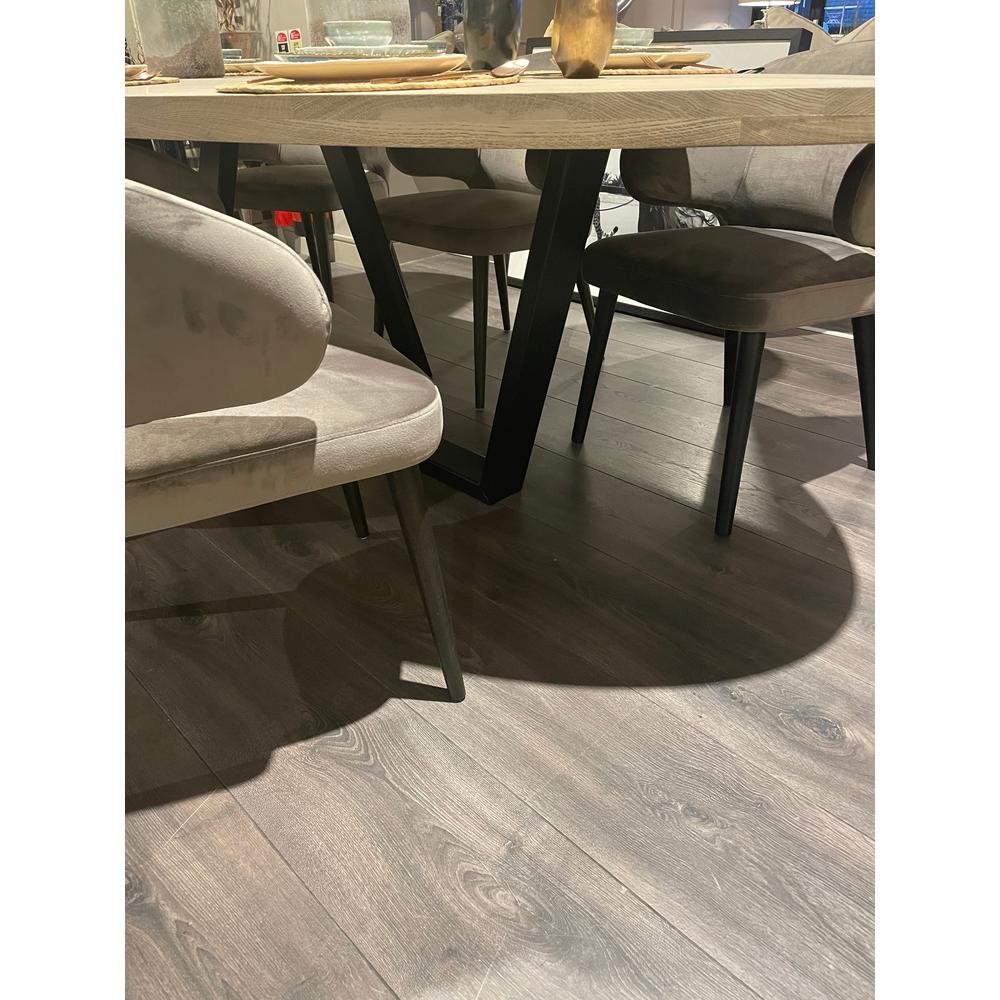
We are a family-run business, and our approach reflects that. We want the process to feel personal. Our showroom displays are designed by our own interior designers, so you can see how a room will feel before you commit.
What a single point of contact actually looks like
In practice, a single point of contact means you have one designer who understands your brief and who speaks to every supplier and tradesperson involved. You do not chase updates across several companies. Questions about fabric choices, delivery windows or the layout of a room all come back to the same person.
This matters most when a project has many moving parts. A common problem in home renovation is that small decisions made by different people do not fit together. A rug chosen in one shop clashes with a sofa ordered from another. A single designer keeps those decisions consistent from the first sketch to the final cushion.
The Turnkey Interior Design Process, Step by Step
A turnkey project usually moves through a clear sequence. Knowing the steps helps you plan your time and know what to expect at each stage.
- Initial consultation. We meet you to understand how you live, what you want from each room and what your budget is. For a home visit, our consultation includes a two-hour visit from one of our interior designers, who surveys up to three rooms and gathers the measurements we need.
- Concept and mood boards. After the consultation, we create mood boards for the room or rooms discussed. These show the total look, based on the space you have and the style you want to achieve.
- Estimated quote. Once the brief has been reviewed, you receive an estimated quote. You approve it before any work begins.
- Selection and ordering. We guide you through furniture, lighting, art and finishes, then place orders with suppliers.
- Delivery and installation. Our team coordinates delivery, sets up furniture in the rooms you choose and removes packaging.
- Finishing touches. An interior designer returns on site to complete the room, adjusting arrangements and accessories until it is ready.
A practical tip: before your first meeting, gather room dimensions or a floor plan, plus photos or short videos of each space. This lets the designer give you a more accurate concept at the first stage.
Time Savings and Faster Completion
Managing a renovation yourself takes time. Each supplier has its own lead times, and each delivery needs someone at home to receive it.
Budget Management and Transparent Pricing
Cost is one of the first questions people ask, and it deserves a straight answer. Turnkey interior design is not priced like a single piece of furniture; it is a service with several components, and understanding those components is the difference between a confident decision and a nasty surprise.
Studios often structure fees in different ways, so ask which approach applies before you compare two quotes side by side.
At Renaissance Design Studio, our design consultation fee is €1,000.00, and the full range of consultation packages is set out on our pricing page. A full design and fit-out service begins with a meeting with one of our designers, after which you receive an estimated quote before anything is approved. You can review the consultation details on our Design Consultation Fee page.
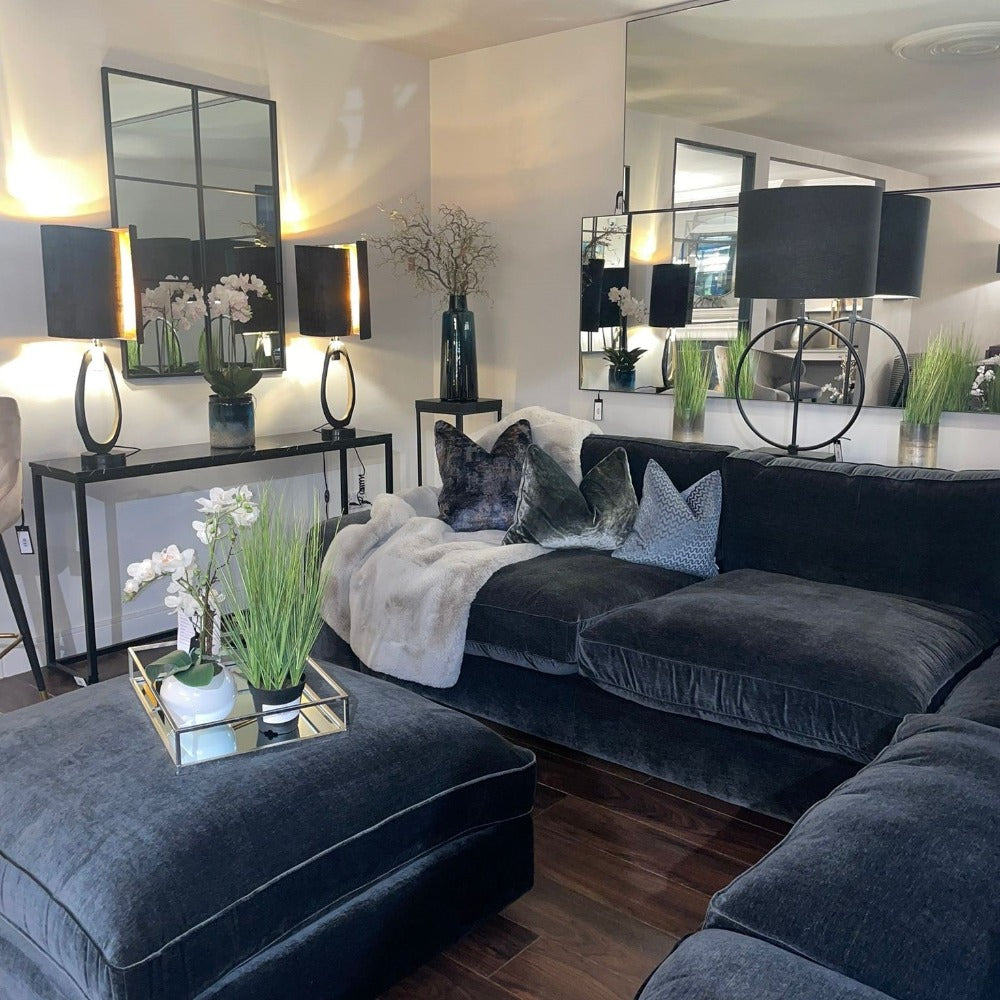
Our packages cover showroom consultations, in-home consultations, mood boards and full design and fit-out. For example, our Katie Round Dining 140 cm table is €1,399.00, and the Ellen bed frame, custom made, is €995.00. Our Elwood artwork is €275.00.
Installation is priced separately, starting at €120.00, and is quoted on application depending on what you need, from delivery and furniture set-up to interior designer finishing touches.
When you compare proposals, ask each studio to show what is included and excluded, so that quotes can be compared fairly.
Ask how variations are priced and who approves them, as changes made after orders are placed can affect cost and timing.
The article sets out the main costs a client should expect, as stated by the studio.
| Item | Value | Note |
|---|---|---|
| Design consultation fee | €1,000.00 | Covers the initial design consultation |
| Katie Round Dining 140 cm table | €1,399.00 | Example furniture price |
| Ellen bed frame, custom made | €995.00 | Example furniture price |
| Elwood artwork | €275.00 | Example artwork price |
| Installation | From €120.00 | Quoted on application |
Example costs for turnkey interior design at Renaissance Design Studio
Full-Service Interior Design: Coordinating Trades, Suppliers and Installation
Full-service design covers the work between choosing a sofa and sitting on it. This includes arranging delivery, setting up furniture in the right room and removing the packaging afterwards. For larger projects, it can also involve coordinating with tradespeople on site so that furnishings arrive when the space is ready.
Our installation and fit-out menu is flexible. You can take as much or as little of the service as you need. A two- or three-person delivery team handles heavy items, and an interior designer can be on site for the finishing touches. You can read more about how we coordinate a home fit-out from start to finish in our guide to planning a home fit-out.

Interior Design Project Management From Concept to Handover
Project management in interior design is the work of keeping the concept, budget and schedule aligned. A good designer tracks which decisions are still open, which orders are placed, and which items still need approval.
Handover is the final step, and it is where many projects are judged. We check each room against the approved concept before we consider it finished. If you are considering a full service, our article on why full-service interior designers are worth hiring explains how this kind of oversight changes the outcome.
Turnkey Home Furnishing: Choosing Furniture That Works Together
Choosing furniture one piece at a time is a common route to a room that feels unfinished. Each item may look right on its own, but the set can still clash. Choosing pieces together, against one concept, gives a more cohesive result.
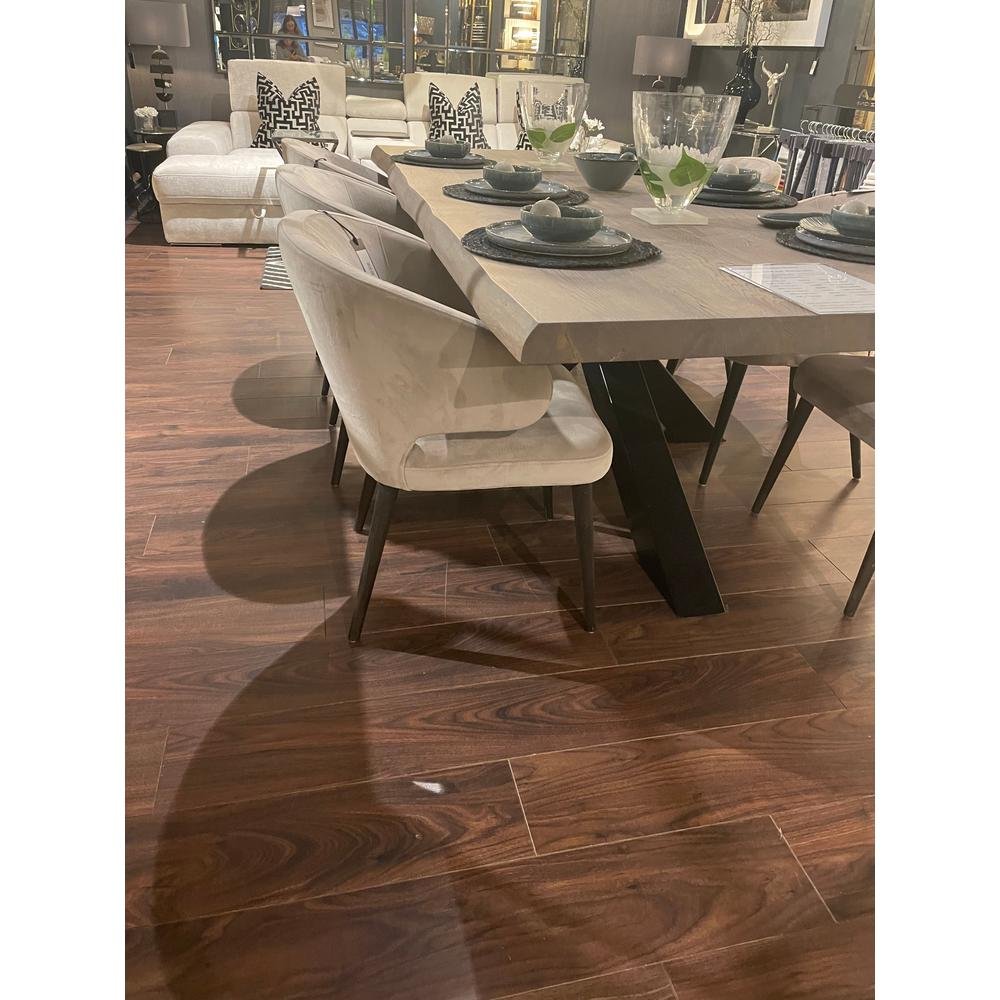
Consider a living room built around a cream round dining table, a cream sofa and a matt black floor lamp. The cream tones soften the room, while the black lamp adds a grounding contrast. Pieces like these work best when they are selected together, so that the proportions, colours and finishes support each other.
We would rather help you choose fewer, better pieces that fit your home than fill a room with items that do not belong together. Our Elwood artwork, for example, is a large navy piece priced at €275.00, designed to anchor a space rather than compete with it.
Stress Reduction, Client Responsibilities and What to Expect
A turnkey project reduces the number of decisions you must make, but it does not remove your role entirely. The homeowners who find the process calmest are usually the ones who understood their part in it from the first meeting.
Expect to be involved at key points: the consultation, the concept stage, the approval of the quote and the handover. Between those points, the studio carries the day-to-day coordination, chasing suppliers, booking deliveries, checking that orders match the approved scheme and arranging the finishing touches. That division of labour is where the stress reduction comes from, and it works best when both sides know where their responsibilities begin and end.
Your responsibilities are narrower than you might expect, but they are not optional. You will need to approve concepts, confirm selections and make decisions when a choice is genuinely yours. You will also need to be available for deliveries or grant access for installation, and to respond to approval requests within the deadlines your designer sets. A delayed approval can push back an order, and an order that slips can push back the whole programme.
Supplier dependencies are the part of turnkey design that no studio fully controls. Furniture lead times vary, fabric batches can differ between production runs, and a bespoke piece may take longer than a stock item. A good studio plans around these dependencies and tells you early when a date moves. What a studio cannot do is make a supplier deliver faster than the supplier is able.
Changes during a project are normal. Speak to your designer early, because changes made after orders are placed can affect cost and timing. Raising a concern at the concept stage is far simpler than raising it after delivery. Ask, too, how variations are documented and approved, so that a small adjustment does not become a disputed line on the final invoice.
Reduced control is the trade-off that rarely gets mentioned. When you hand over coordination, you also hand over some of the moment-to-moment choices. Some homeowners relish that; others want to see every fabric swatch. Be honest with yourself about which you are, and say so at the consultation. A studio can build in more checkpoints if it knows you want them.
A practical way to protect yourself is to agree a short written scope before work begins. It should list the rooms covered, the deliverables at each stage, the approval points, the payment milestones, what happens if the scope changes, and who owns procured items and their warranties after handover. None of this needs to be adversarial; it simply gives both sides a shared reference when a decision arises.
If you are uncertain how involved you need to be, raise it at your first meeting. The aim is a home that works and cheers, and the clearest route there is a shared understanding of who does what, by when, and at what cost.
Booking Your First Consultation With Renaissance Design Studio
The simplest way to begin is with a consultation. Choose between a showroom consultation, where you can see our displays in person, and an in-home consultation, where a designer visits you. Both give you the chance to discuss your project and see how we work.
Before you come in, read our guide to preparing for an interior design consultation. It will help you gather what the designer needs, so the first meeting is productive. We look forward to helping you turn your house into a home that works and brings a lasting sense of comfort.
Frequently Asked Questions
What does turnkey interior design include?
Turnkey interior design covers the whole job under one team: the initial brief, concept and room layouts, selection of furniture, lighting, art and finishes, ordering and tracking deliveries, and installation and styling on completion. At Renaissance Design Studio, the Full Design and Fit Out Service starts with a meeting with one of our interior designers, followed by an estimated quote once the brief is reviewed. Once you approve it, the team manages the rest, so you have one point of contact from start to finish rather than coordinating several suppliers yourself.
What are the benefits of turnkey interior design services?
The main benefits are fewer costly mistakes, less time spent on coordination and a more cohesive result. A single designer checks that pieces such as a sofa, dining table and lighting work together in your actual space before anything is ordered. You also avoid managing several suppliers, deliveries and installers yourself. Many clients find the process less stressful because decisions are made in a structured sequence, with the designer handling the detail.
How does a turnkey interior design project work?
A typical project begins with an in-home consultation, where a designer visits the property for around two hours, discusses your requirements room by room and surveys the space for up to three rooms. Mood boards are then prepared to show the intended look. After you review the design direction, an estimated quote is issued, and once approved the team orders, coordinates delivery and oversees installation. Renaissance Design Studio also offers a showroom consultation, where you can see fully styled room displays before deciding.
What is the difference between turnkey and full-service interior design?
The terms overlap, and providers use them differently. In general, turnkey interior design means you receive a finished, ready-to-live-in space with the designer managing selection, ordering and installation. Full-service interior design can refer to a broader set of services that may or may not include procurement and installation. When comparing providers, ask exactly which stages are included, who places orders, who handles deliveries and whether installation and final styling are part of the quoted scope.
What should I ask an interior designer before hiring them?
Ask how the fee is structured and what the quote includes, so you can compare like with like. Find out who your single point of contact will be, how design changes are handled and whether you can revise decisions without a large additional cost. Ask to see completed projects in a similar size and budget, and whether you can visit a showroom to check how pieces look in person. Clarify delivery timelines for made-to-order items and what happens if a supplier is delayed.
Can I personalise a turnkey interior design?
Yes. Turnkey design is built around your brief, and many pieces are customised. The Ellen bed frame, for example, can be made in any colour or fabric, with timber or chrome feet and an optional ottoman, and the Conrad accent armchair is constructed to order in a range of grade A to C fabrics. Your style, the room dimensions and your budget guide every choice, and the mood boards show the proposed result before anything is ordered.