
Article: How to Choose an Interior Designer in Dublin Step by Step

How to Choose an Interior Designer in Dublin Step by Step
Last Updated: 2 November 2026
Quick Summary
To choose an interior designer in Dublin, start with a clear written brief covering rooms, feel, budget and timeline. Then review completed portfolios for projects of similar size and style, compare fee structures like for like, and check contracts, insurance and references before signing. The phrase how to choose an interior designer in Dublin is what this guide walks you through, step by step.
- Write a brief listing rooms, desired feel, rough budget in euro and timeline before meeting designers.
- Check that portfolio projects match your property type, budget level and scope of work.
- Compare quotes only after confirming which fee structure applies and what each fee includes.
- Ask for a written contract covering scope, deliverables, payment schedule and revisions before signing.
- Verify insurance certificates, references and business details before paying any deposit.
Table of Contents
- Start With a Clear Brief for Your Home
- Review Interior Design Portfolios for Projects Like Yours
- Understanding Interior Designer Fees and What Affects Cost
- Questions to Ask During Your First Consultation
- Mapping the Interior Design Project Timeline
- Contracts, Payment Terms and Checking Credentials Before You Sign
- Booking Your Consultation With Renaissance Design Studio
- Frequently Asked Questions
Start With a Clear Brief for Your Home
Learning how to choose an interior designer in Dublin is easier when you know what you want before the first meeting. A clear brief saves time, keeps costs under control and helps you find a designer who fits your home. Find out how to prepare for an interior design consultation before your first meeting.
Start by writing down three things. First, which rooms you want to change. Second, how you want each room to feel. Third, your rough budget and timeline.
Here is a simple brief to get you started:
- Rooms: Kitchen, living room, main bedroom
- Feel: Warm, calm, uncluttered, a mix of old and new
- Budget: A rough range in euro, such as €10,000 to €20,000
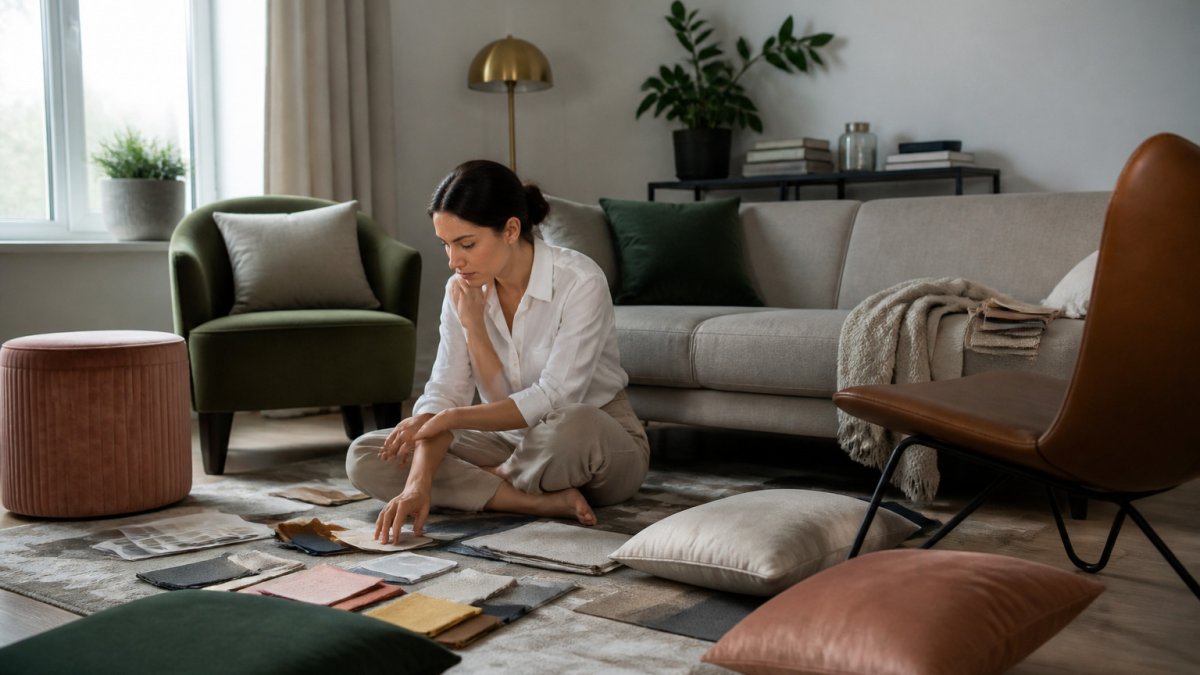
Bring photos, floor plans and any room measurements. If you have them, add a Pinterest board or magazine cuttings that show styles you like. Watch out: a brief that says "make it nice" gives a designer very little to work with.
Review Interior Design Portfolios for Projects Like Yours
When you are weighing up how to choose an interior designer in Dublin, a portfolio shows how a designer thinks and what they have delivered. Look for work that matches your home in size, style and budget.

Ask to see completed projects, not just concept images. Completed work shows whether the plans were carried out well. Read about common interior design mistakes that a strong portfolio should help you spot.
Checking Project Size and Scope
Compare the projects in the portfolio with your own. Check these points:
- Room count: Have they worked on one room or a full home?
- Budget level: Do the projects match what you plan to spend?
- Property type: Terrace, apartment, period house or new build?
- Scope: Did they handle furniture only, or the full fit-out?
A designer with experience at your scale will know how to handle your space. They will also know which suppliers and trades to call.
Matching a Designer's Style to Your Own
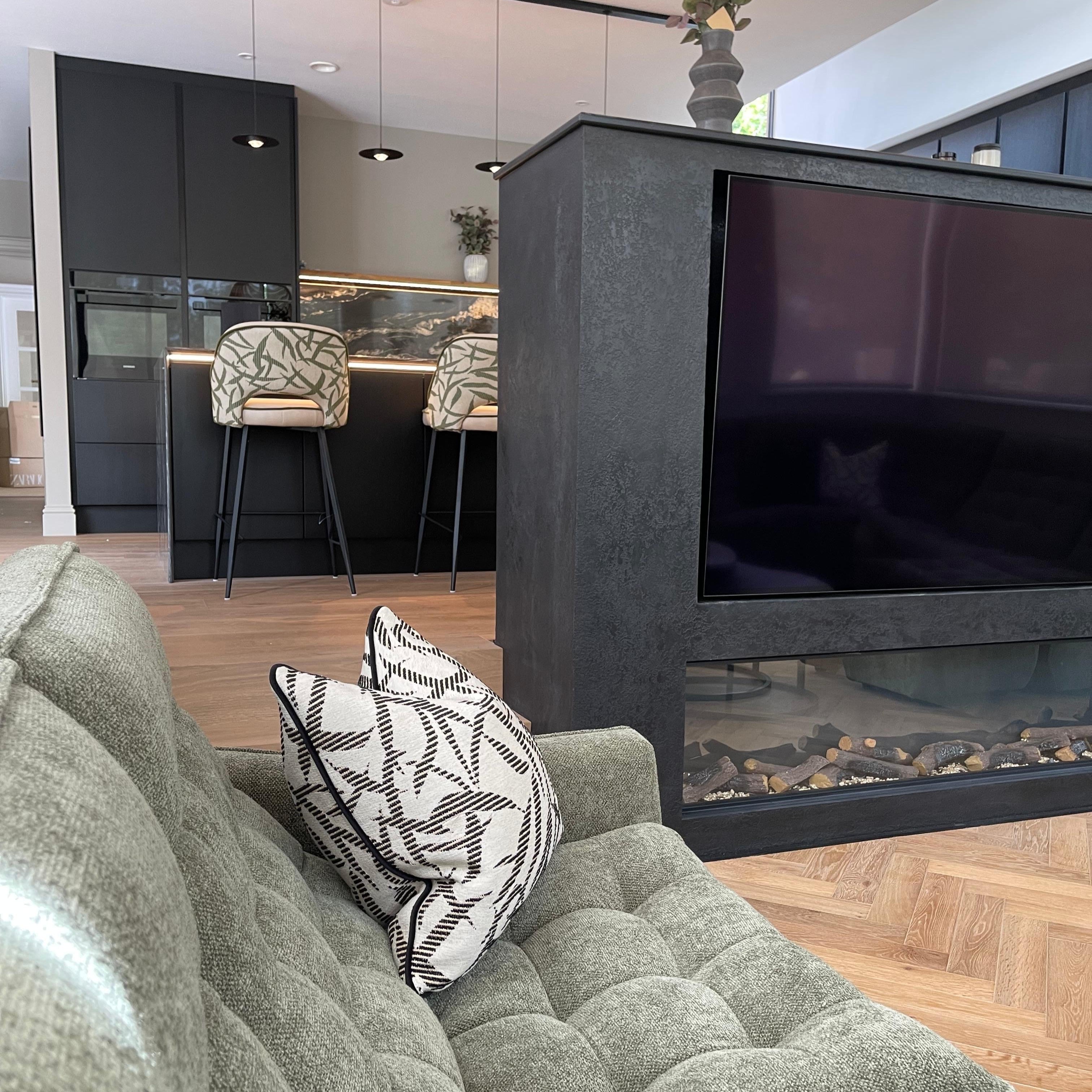
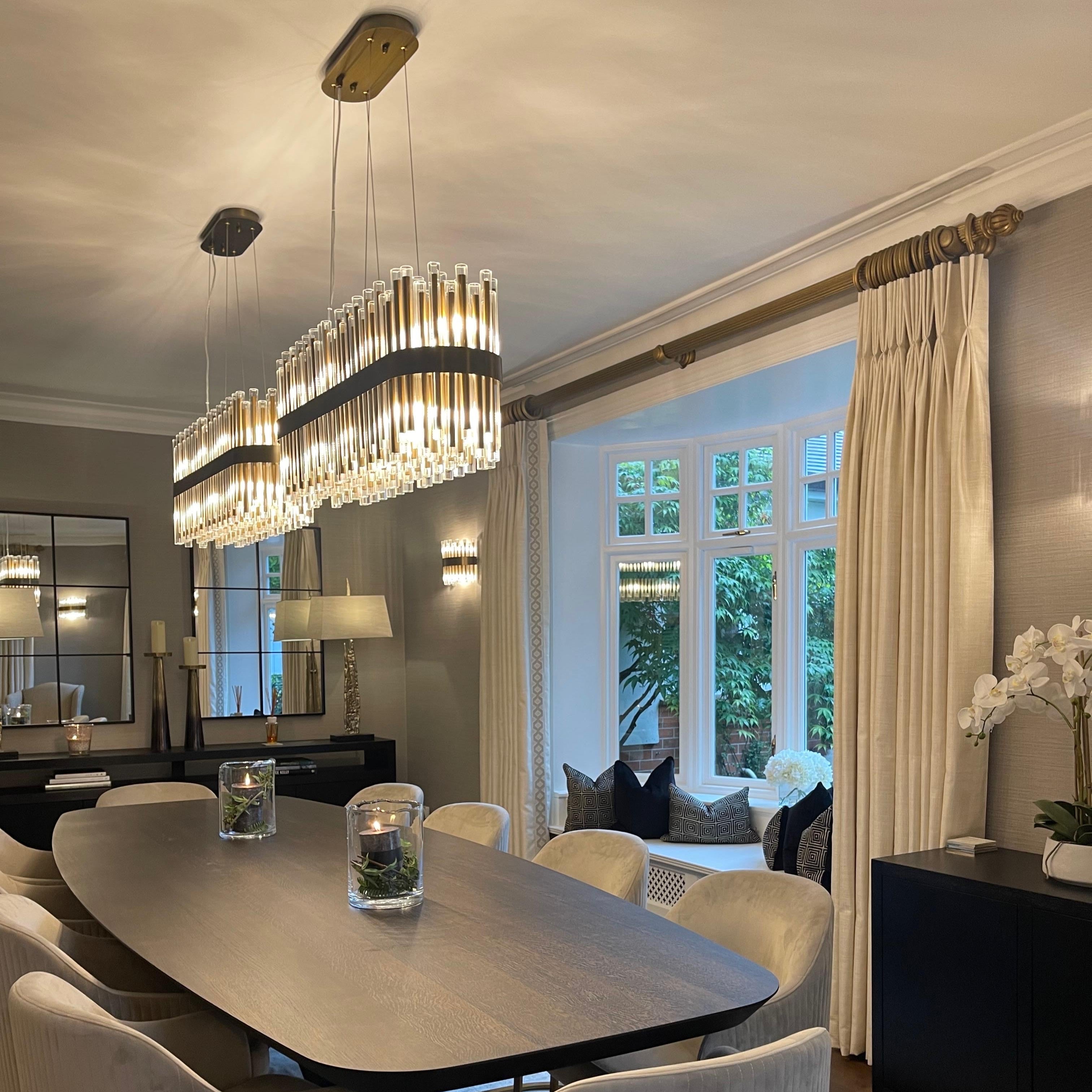
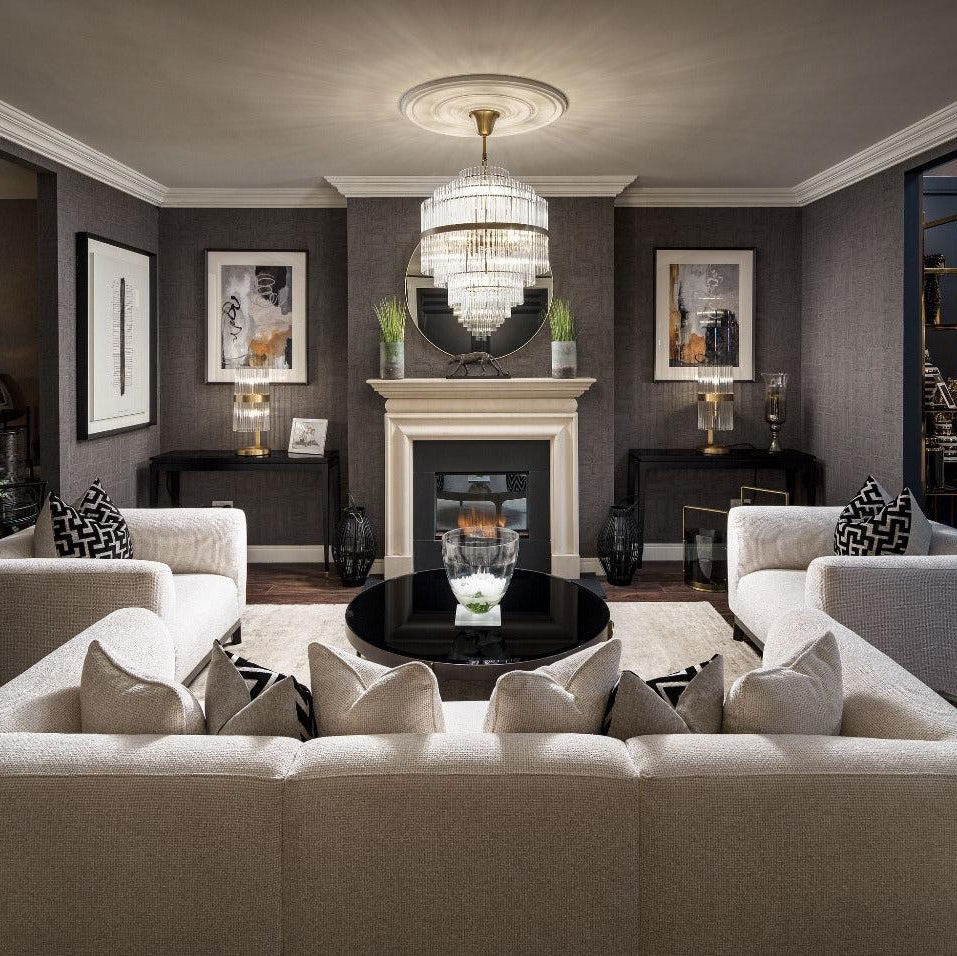
Every designer has a signature style. For example, see the Clifford Designer Dining Chairs With Bar Stools To Match By Eichholtz to get a sense of a particular designer look. Some favour clean lines and neutral tones.
Look at several projects and ask yourself: "Could I live in this?" If every portfolio looks the same, the designer may push one look onto every client.
Understanding Interior Designer Fees and What Affects Cost
Interior design fees are rarely published as a single rate card, which makes this the section most worth reading twice. The same room can attract quotes that differ by thousands of euro, not because one designer is overcharging but because the quotes describe different levels of service. Understanding the common fee structures is the fastest way to compare proposals fairly.
The Main Fee Structures You Will Encounter
Most designers work in one of five ways, and many combine two or three:
- Hourly rate: You pay for time only. Useful for a short advice session or a single-room review, but the final cost is hard to predict until the work is done.
- Day rate: A fixed charge per day of design time, often used for site visits, shopping trips and installation days.
- Fixed project fee: A single price for a defined scope, such as a full design package for one room. This is the easiest to budget for, provided the scope is written down precisely.
- Percentage of project spend: A percentage of the total cost of furniture, fittings and works. This aligns the designer's fee with the size of the project but means the fee rises as the specification rises.
Ask which structure applies before you discuss numbers. A designer quoting a fixed fee and a designer quoting a percentage are not quoting the same thing, and comparing them side by side without adjusting for scope will mislead you.
What Actually Drives the Cost
Several factors move the final figure more than others:
- Scope: A single-room refresh costs far less than a whole-home fit-out. The number of rooms, the amount of structural or electrical work and the level of bespoke joinery all matter.
- Service level: Design advice only, design plus procurement, or a full turnkey service with project management are three very different products.
- Sourcing: Custom or bespoke furniture, imported pieces and made-to-measure soft furnishings add both cost and lead time.
- Revisions: Changes made after drawings or orders are confirmed usually attract additional charges, so ask how revisions are priced.
At Renaissance Design Studio, our Design Consultation Fee is €1,000.00, and our Installation and Fit Out Service Menu is €120.00 for delivery and installation, with the final price given on application.

How to Compare Quotes Like for Like
A written quote is only useful if it is detailed. Ask every designer to set out:
- What is included in the fee and what is billed separately
- Whether furniture, fittings and trades are included or excluded
- The number of design revisions included
- Who places orders and who holds the contracts with suppliers
Watch out: a low headline fee can hide procurement mark-ups, delivery charges or excluded installation costs, so compare the total expected outlay rather than the design fee alone. If a quote is vague on inclusions, ask for it in writing before you compare it with another.
The table below summarises the fee structures and cost drivers covered in this section, so you can compare quotes more easily.
| Fee structure | How it works | Note |
|---|---|---|
| Hourly rate | Pay for time only | Final cost hard to predict |
| Day rate | Fixed charge per day | Used for site visits and installs |
| Fixed project fee | Single price for defined scope | Easiest to budget for |
| Percentage of spend | Share of furniture and works total | Fee rises with specification |
| Staged or turnkey | Separate or all-in pricing | Confirm which stages are included |
Questions to Ask During Your First Consultation
The first meeting tells you a lot. Use it to check how the designer listens and communicates. Good questions include:
- What is included in your fee, and what costs extra?
- How do you handle a change of mind halfway through a project?
- Who will I deal with day to day?
- How do you manage supplier delays, especially for imported furniture?
Pay attention to whether the designer asks you questions too. A designer who asks about your daily routine, your family and how you use each room is usually a good sign.
Mapping the Interior Design Project Timeline
Most projects follow the same stages. Knowing them helps you plan:
- Brief and consultation: One to two weeks
- Concept and mood boards: Two to four weeks
- Quotes and approval: One to two weeks
- Ordering and supplier lead times: Several weeks, longer for bespoke pieces
- Installation and styling: One to three weeks
Ask your designer for a timeline with dates, and ask how they plan for delays.
Contracts, Payment Terms and Checking Credentials Before You Sign
This is the stage where a good project can quietly go wrong. A clear contract and a few simple checks protect both you and the designer, and they take less than an hour to complete. Do them before any deposit changes hands.
What a Proper Design Contract Should Contain
Ask for the agreement in writing and read it before you sign. It should cover:
- Scope of work: Exactly which rooms, services and deliverables are included, and what is excluded.
- Deliverables: The drawings, mood boards, schedules, specifications and any other documents you will receive, with dates.
- Fees and payment schedule: The total fee, the deposit, the staged payments and when each becomes due.
- Procurement and purchasing: Who orders furniture and fittings, who holds the supplier contracts, who pays suppliers directly and how mark-ups or handling fees are treated.
If any of these points is missing, ask for it to be added before you sign. A designer who is reluctant to put terms in writing is a warning sign.
Payment Terms and Staged Payments
Most designers ask for a deposit to secure time in their schedule, followed by staged payments at agreed milestones. The exact split varies, so confirm it in the contract.
Keep payments tied to milestones and keep a written record of what each payment covers. If a designer asks for a large sum before any deliverables are agreed, ask why.
Checking Credentials and Insurance in Ireland
Before you commit, carry out a short verification checklist:
- Business details: Confirm the designer's trading name, business address and company or sole-trader details. Companies can be checked against the public register, and sole traders can be checked against their trading name and tax registration details.
- Insurance: Ask for a current certificate of professional indemnity insurance and public liability insurance, and check the policy is in date and covers the type of work you are commissioning.
- Qualifications and affiliations: Ask about relevant design qualifications and any professional body membership.
- References: Ask for two or three recent clients you can speak to, ideally ones whose project was similar in size and scope to yours.
Questions to Settle Before You Sign
A short final conversation closes most remaining gaps:
- Who is my day-to-day contact, and how often will we communicate?
- What happens if a supplier discontinues an item after it is specified?
- How are additional costs agreed and documented?
- What is the process if I want to pause or cancel the project?
Getting clear answers to these questions now is far easier than resolving them mid-project. Once the contract, payment schedule and insurance checks are in order, you can move forward with confidence.
Booking Your Consultation With Renaissance Design Studio
If you want a designer who handles everything from the first sketch to the final cushion, Renaissance Design Studio can help. Our team offers a showroom consultation, an in-home consultation and a full design and fit-out service.
Our in-home consultation includes a two-hour visit to discuss your project and survey up to three rooms. After an in-store consultation, we create mood boards for the rooms discussed. Our white glove delivery and assembly service is part of our offering.
Ready to start? Complete the application form on our website to book your consultation.
Frequently Asked Questions
How do I choose the right interior designer?
Start with a written brief covering your budget, timeline and the rooms involved. Shortlist designers whose portfolios show completed projects of a similar size and style, then book consultations with two or three. Compare how each one listens to your requirements, how clearly they explain fees and deliverables, and whether their proposal fits the scope you described. Choosing on fit and communication usually matters more than choosing on the lowest quote.
How much does an interior designer charge?
Fees depend on project scope, the number of rooms, and whether you need consultation only or a full design and fit-out service. At Renaissance Design Studio, a design consultation fee is €1,000.00, and the installation and fit-out service menu starts from €120.00, with price on application for larger installations. A full design and fit-out service begins with a brief, after which you receive an estimated quote for approval before work starts.
What questions should I ask before hiring an interior designer?
Ask how they gather your requirements, how many revisions are included, and who you will deal with day to day. Ask what happens if you want changes midway through, how delivery delays from overseas suppliers are managed, and what their track record is on similar projects in Dublin. Clear answers on these points show whether the designer will work around your style rather than imposing their own.
How long does an interior design project take?
Timelines vary with the size of the project and how much bespoke furniture is involved. A consultation and mood board stage usually comes first, followed by approval of an estimated quote, then ordering and delivery. Ask for a written timeline with milestones, and confirm how supplier delays will be communicated and handled before you sign.