Article: Modern Minimalist Interior Design for Luxury: A Practical Guide
Modern Minimalist Interior Design for Luxury: A Practical Guide
Last Updated: November 14, 2026
Quick Summary
Modern minimalist interior design for luxury is about restraint rather than emptiness, building a calm home from a few well-chosen, high-quality pieces. Clean lines, negative space and intentional choices make each object earn its place. Quality materials and craftsmanship provide the luxury.
- Ask whether each item is used, loved or needed before keeping it in the room.
- Choose three or four colours at most, varying texture rather than hue.
- Anchor a minimalist living room with one or two substantial pieces.
- Use natural fibres, layered textures and warm lamps at several heights to add cosiness.
- Prioritise durable materials in high-traffic areas and reserve delicate finishes for low-use spaces.
Table of Contents
- What Luxury Minimalist Interior Design Really Means
- Minimalist Living Room Ideas That Feel Considered
- Minimalist Colour Schemes: Neutral Palettes With Depth
- Luxury Interior Materials and Finishes That Last
- How to Make a Minimalist Home Feel Cosy
- Planning Your Own Minimalist Home With Renaissance Design Studio
- Frequently Asked Questions
What Luxury Minimalist Interior Design Really Means
Modern minimalist interior design for luxury is about restraint, not emptiness. At Renaissance Design Studio, we see it as a home that works quietly and feels calm every day, built from a small number of well-chosen pieces rather than many ordinary ones.
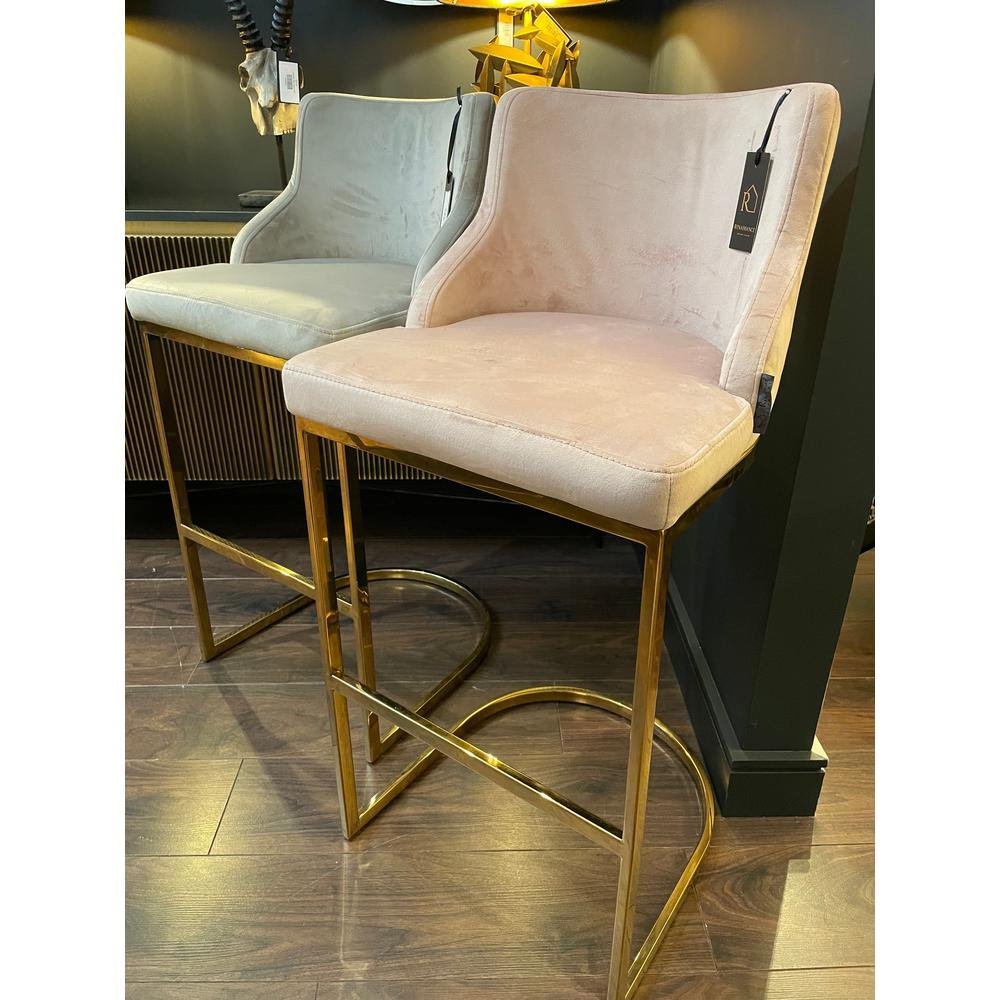
The luxury part comes from materials and craftsmanship. A clean-lined sideboard in washed oak veneer with bronze detailing, for example, looks simple from across the room but rewards a closer look. That is the difference we aim for: fewer things, chosen with far more care.
Core principles: clean lines, negative space and intentional design
Three ideas sit behind most successful minimalist rooms. Clean lines keep the eye moving without interruption. Negative space, the empty areas around furniture, lets each piece breathe. Intentional design means every object has a reason to be there.
Start by asking of each item whether you use it, love it, or need it. If the answer is none of these, it probably does not belong in the room. Removing one ornament often improves a space more than adding a new feature.
Minimalist Living Room Ideas That Feel Considered
A minimalist living room works best when it is anchored by one or two substantial pieces and the rest is kept quiet. A low neutral sofa, a single sculptural floor lamp and one large tonal artwork on a pale wall is often enough to make the room feel complete.
Our Aisone Floor Lamp in dark brass, at €529.00, is a good example of a piece that adds warmth without clutter. Its tapered base and cream shade give soft diffusion of light.
Keep surfaces clear. Choose one or two accessories rather than a shelf full of them, and let natural light from the window do much of the work.
Minimalist Colour Schemes: Neutral Palettes With Depth
Neutral does not have to mean flat. The most convincing minimalist palettes combine a base of warm whites, greige or soft stone with a few tonal shifts, such as a deeper taupe or a muted earth tone in a textile or rug. The aim is a scheme that feels layered and calm rather than sterile.
Stick to three or four colours at most. Vary the texture rather than the hue: a linen cushion, a bouclé throw and a smooth lacquered surface will look richer than any bold accent colour. A common mistake is introducing a bright accent piece that fights with the rest of the room. Choose one accent in a close tone instead.
Building a tonal palette that works in your light
The same neutral paint can look entirely different from one room to the next. North-facing rooms tend to pull cool, so warm whites and greige with a hint of yellow or red undertone will feel more welcoming. South-facing rooms can carry cooler greys and soft stone without feeling chilly.
A practical approach is to choose your base wall colour first, then select textiles and furniture in tones that sit one or two steps deeper. For example, a warm white wall pairs well with a taupe sofa and a stone-coloured rug, with a single darker accent such as a bronze lamp base or a charcoal cushion. This creates depth without visual noise.
The role of undertones and sheen
Undertones matter more in minimalist rooms because there is little else to distract the eye.
Sheen also affects how a colour reads. Matt emulsions absorb light and feel softer, making them ideal for walls in calm spaces. Eggshell or satin finishes on woodwork add a subtle contrast and are easier to wipe clean in busy areas.
Watch out: testing paint only on a small patch or under artificial light can lead to a colour that feels wrong once the room is fully painted and seen in daylight.
Where to spend and where to save
Colour is one of the least expensive ways to shift the mood of a room, but it pays to invest in quality paint with good coverage and durability. A common pattern is to spend more on the base wall colour and ceiling paint, which cover large areas and are hard to redecorate, and to save on accent accessories that can be changed seasonally.
Luxury Interior Materials and Finishes That Last
Materials decide how a room ages. Timber, stone, washed oak and brushed metal tend to improve with use, while thin, glossy finishes show wear quickly. When you are weighing options, look at how a finish will look after several years of daily life, not only on the day it is delivered.
Choosing materials that suit your home
Solid timber and timber veneers are popular in minimalist schemes for their warmth and ability to patinate.
Stone, whether marble, limestone or quartz, brings a cool, luxurious feel to floors, worktops and splashbacks. Natural stone is porous and needs sealing to resist stains, especially in kitchens and bathrooms.
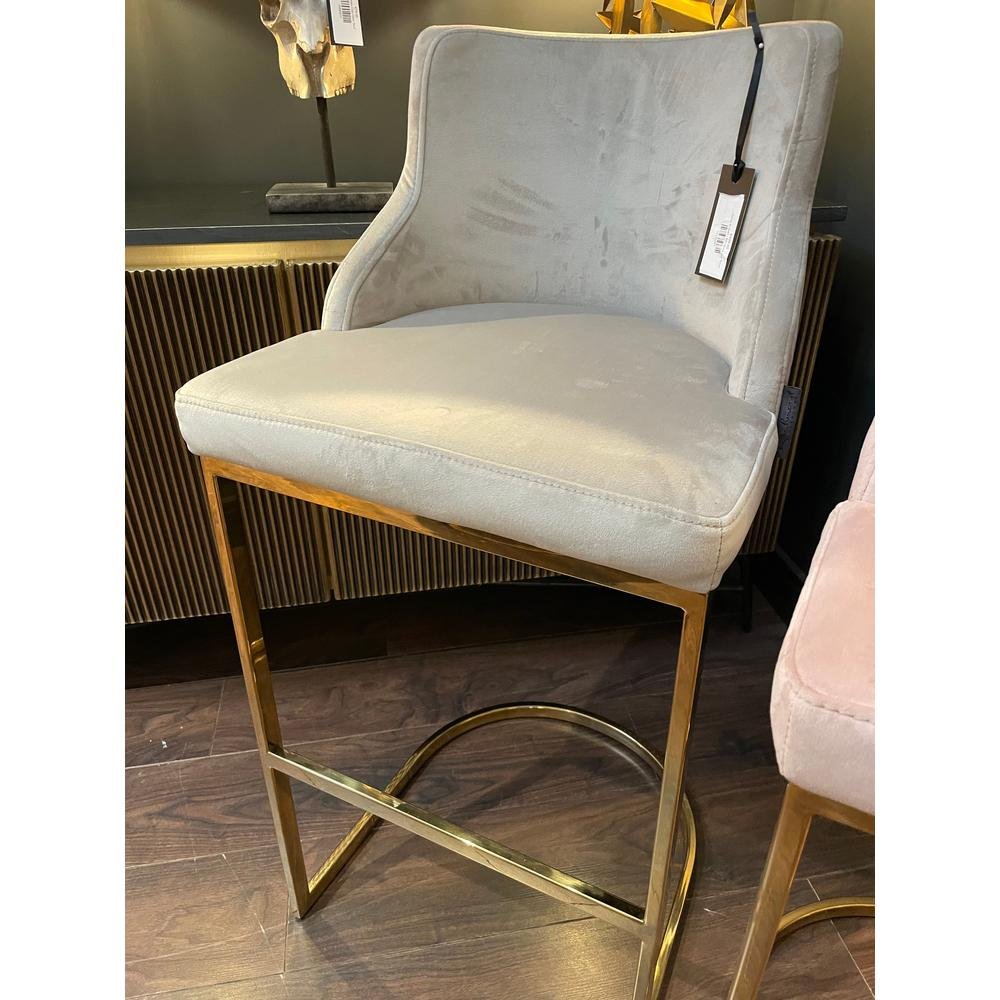
Metals such as brass, bronze and stainless steel add a subtle gleam. Living finishes, like aged brass, develop a patina over time and may not suit those who prefer a uniform look.
Assessing craftsmanship and sourcing
Good craftsmanship shows in the details: tight joints, smooth drawer runners, consistent grain patterns and a weight that feels substantial.
A common pattern among practitioners is to prioritise materials that are durable and easy to maintain in high-traffic areas, and to reserve more delicate finishes for low-use spaces.
Maintenance and everyday living
Every material has its own care routine. Timber should be kept away from direct heat and moisture, and treated with a suitable oil or wax if the finish is oiled rather than lacquered.
In a minimalist home, where surfaces are few, each one is more visible, so maintenance matters.
Watch out: buying a material based on a small sample can be misleading; always view a larger panel in your own lighting and ask about its maintenance requirements before committing.
Budgeting for materials
Material costs vary widely, and it is worth allocating your budget where it will be seen and touched most. A common approach is to spend more on worktops, flooring and seating, which are used daily, and to save on decorative items that can be updated later. For dining, the Katie round dining table in cream, at €1,399.00, has a matt finish and a sturdy central pedestal that gives extra legroom.
The article compares the main material choices and how each one wears over time.
| Material | Best for | Key difference |
|---|---|---|
| Solid timber and veneers | Warmth and patina | Veneers need care away from sun, heat and damp |
| Natural stone | Cool, luxurious feel | Porous and needs sealing against stains |
| Quartz composite | Easy maintenance | Non-porous but lacks natural veining |
| Brushed metal | Practical handles and fittings | Hides fingerprints better than polished |
| Aged brass | Living patina | Changes over time, not uniform |
How to Make a Minimalist Home Feel Cosy
Minimalism can feel cold if it is not handled with care. The fix is almost always texture and light. Layer a wool rug under the sofa, add soft cushions in natural fibres, and use several warm lamps at different heights instead of one overhead light.
Warmth also comes from the things you keep. A single well-made object with a visible history, or a piece of art you truly like, will make a room feel lived in in a way that a styled shelf rarely does.
Planning Your Own Minimalist Home With Renaissance Design Studio
Good minimalist rooms rarely happen by accident. Start with the rooms you use most, then decide on the anchor pieces before you buy anything smaller. Measure carefully, because proportion matters more in a sparse room than in a busy one, and a sofa or table that is slightly too large will dominate the space.
Our free in-house design sessions are a practical way to test these decisions before spending. Read more about what a turnkey design service includes and how it can take the work of planning a home off your hands.
Frequently Asked Questions
What is modern minimalist luxury interior design?
Modern minimalist luxury interior design is a restrained approach to the home that relies on clean lines, a limited number of carefully chosen pieces and high-quality materials rather than decoration. The luxury comes from craftsmanship, proportion and finish: a well-made oak chest, a natural stone surface or a bespoke sofa carries the room, so nothing needs to be added to impress. At Renaissance Design Studio, we select pieces that work together so the result feels deliberate and calm rather than sparse.
How do you make a minimalist home feel luxurious?
Focus on material quality, proportion and lighting. Choose furniture in natural materials such as washed oak veneer, bronze or stone, and make sure each piece is sized correctly for the room. Layered lighting, including a floor lamp with a soft diffused shade, adds warmth that stops a space feeling clinical. Keep surfaces clear so that the few objects you do display are noticed, and check the room in person before you commit to a finish.
Which materials work best in a luxury minimalist interior?
Natural and tactile materials work best: oak veneer, bronze and brass accents, stone, and matt or soft-finish textiles. These materials have depth without decoration. Veneer furniture offers the look of real hardwood at a different price point to solid timber, but it needs gentle care, so keep it away from direct sunlight, damp and sharp objects. Choosing materials for how they will age is a better guide than choosing them for a single showroom moment.
How can you add warmth to a minimalist interior?
Warmth comes from texture, soft light and natural materials rather than extra objects. Introduce layered textiles, a rug with a varied weave, timber and warm-toned lamp shades, and keep lighting at a lower, warmer level in the evening. A single piece of wall art in a neutral palette, such as a limited edition work with subtle tonal variation, can anchor a room without making it busy.