


How to Manage an Interior Design Budget for a Renovation
Last Updated: November 16, 2026
Quick Summary
To manage an interior design budget for a renovation, set your total figure before choosing any furniture or finishes, then divide it into rooms and cost categories. Keep a contingency reserve of 5 to 20 per cent, depending on the property, and track every cost in a simple spreadsheet each week.
- Set your total budget before making any design decisions, as a later budget often gets stretched to fit what you love.
- Build a renovation budget checklist covering design fees, labour, materials, furniture, delivery and any electrical or plumbing work.
- Split each room's budget into design, construction, materials, and furniture and soft furnishings, then mark each line as essential or optional.
- Hold a contingency reserve of 5 to 10 per cent for cosmetic work, rising to 15 to 20 per cent for whole-house or older properties.
- Approve any overrun only in writing, and take the cost from the contingency fund rather than another room's allowance.
Table of Contents
- Why Managing an Interior Design Budget for a Renovation Matters
- Step 1: Set Your Interior Design Budget Before Any Decisions
- Step 2: Build a Renovation Budget Checklist
- Step 3: Work Through an Interior Design Budget Breakdown
- Step 4: Plan Renovation Contingency Funds for Overruns
- Step 5: Track Every Cost with a Renovation Cost Tracking Spreadsheet
- Booking Your Design Consultation and Taking the Next Step
- Frequently Asked Questions
Turning a house into a home takes more than good taste. It takes a plan for the money, and most renovations go over budget because that plan never gets written down. Renaissance Design Studio is a family-run business with generations of experience in property and homes, and the steps below will show you how to keep your interior design budget under control from the first decision to the final fitting.
Why Managing an Interior Design Budget for a Renovation Matters
A renovation budget covers far more than paint and furniture. It also pays for labour, materials, fixtures and the small items that appear once work begins. Without a clear interior design budget, these costs add up fast and push a project past what you planned to spend.
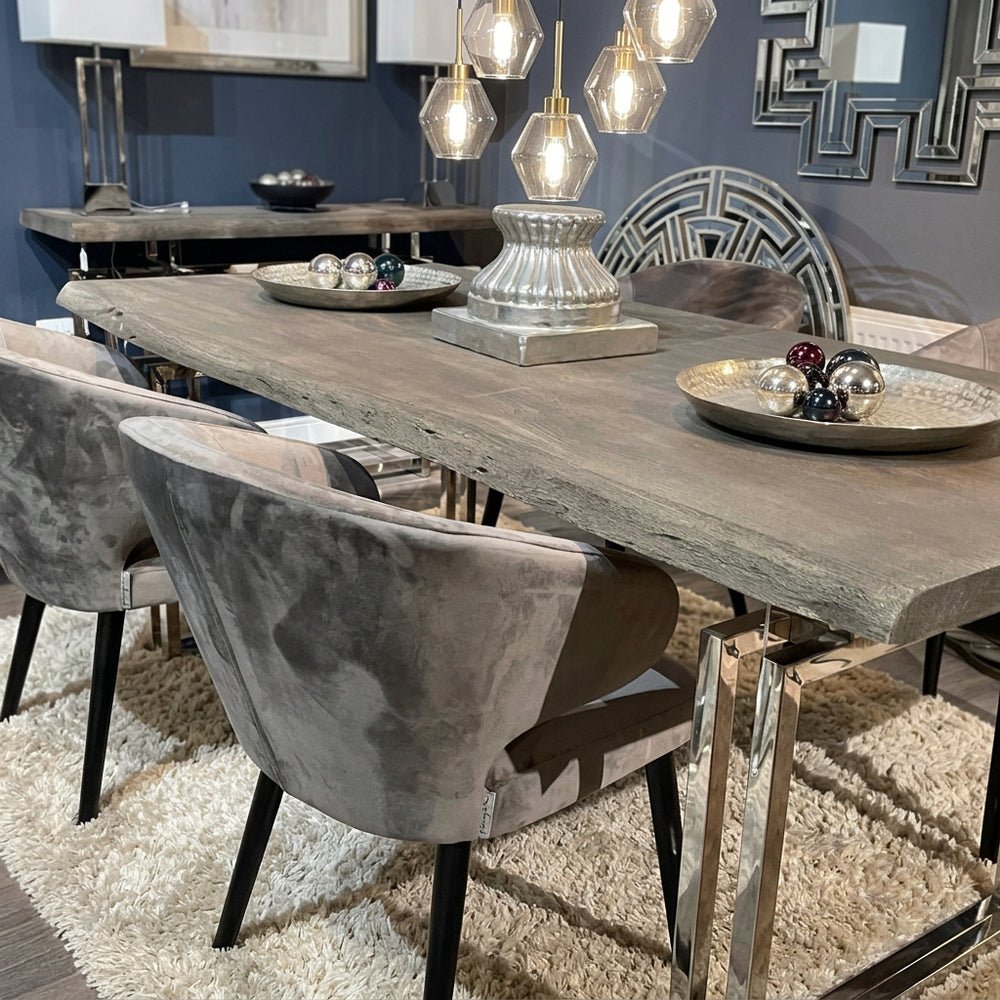
Many homeowners find that the biggest costs are the ones they did not expect. A room that looks finished on paper often needs extra work once the walls are open. Planning for these gaps early keeps the project calm and the final bill predictable.
At Renaissance Design Studio, we see that a good budget gives you freedom. You can make bold choices in the rooms that matter most because you know where every euro is going.
Step 1: Set Your Interior Design Budget Before Any Decisions
Set your total budget before you choose a single sofa or paint colour. Once your budget is set, you can find an interior designer in Dublin who fits your needs and budget. This number is the limit that every later decision must respect.
Start by listing what you want to achieve:
- Which rooms need work
- Which rooms matter most to your daily life
- Which finishes you care about most
- Which items you can source later or keep
Once you have this list, set a total figure and divide it between rooms and categories. Leave a small share unassigned for surprises. You will use it in Step 4.
Watch out: a budget set after you fall in love with a piece almost always gets stretched to fit it. Set the number first.
Step 2: Build a Renovation Budget Checklist
A renovation budget checklist turns a rough idea into a list of costs you can check off. It makes sure nothing important is missed.
Include these areas in your checklist:
- Design fees and consultation costs
- Labour for building, decorating and fitting
- Materials such as flooring, tiles and joinery
- Furniture, lighting and soft furnishings
- Delivery, installation and disposal of old items
- Electrical and plumbing work, if needed
For each line, write down an estimate and a note on where that figure came from. A quote from a supplier is far more reliable than a guess.
Renaissance Design Studio offers a range of design services, from a single showroom consultation to a full turn-key fit-out. Knowing which service fits your budget helps you fill in the design line of your checklist accurately.
Step 3: Work Through an Interior Design Budget Breakdown
An interior design budget breakdown splits your total into clear categories. This shows you where your money goes and where you have room to move.
Start by dividing the total into rooms, then split each room into four cost groups:
- Design and project management, design fees, drawing packages, site visits and coordination.
- Construction and labour, building, electrical, plumbing, plastering, decorating and fitting.
- Materials and finishes, flooring, tiles, joinery, worktops, paint and hardware.
- Furniture, lighting and soft furnishings, sofas, tables, beds, lamps, curtains, rugs and accessories.
Mark every line as essential or optional, then check each room total against the plan from Step 1.
A worked example
Take a €30,000.00 budget for a living room and kitchen refresh. A common split looks like this:
| Category | Allowance | Share of total |
|---|---|---|
| Design and project management | €3,000.00 | 10% |
| Construction and labour | €10,500.00 | 35% |
| Materials and finishes | €9,000.00 | 30% |
| Furniture, lighting and soft furnishings | €6,000.00 | 20% |
| Contingency reserve | €1,500.00 | 5% |
Allowance
Within the furniture line, a further split keeps decisions honest: roughly half to the pieces you touch daily (sofa, dining table, bed), a quarter to lighting, and a quarter to soft furnishings and accessories. Within materials, flooring and joinery usually absorb the largest share, with tiles and paint taking less.
These percentages are a starting point, not a rule. A kitchen-heavy project pushes construction and materials higher; a decoration-only project pushes furniture and finishes higher. Adjust the shares, but keep the total fixed.
Where to invest and where to save
Spend more on pieces you use every day, a sofa, a dining table, a bed, and choose simpler options for items that get less use. Renaissance Design Studio chooses pieces for quality rather than stock furniture chosen on price, so the pieces you touch most often are worth investing in. Save on items that are easy to swap later: accessories, lampshades, cushions and artwork.
Watch out: a breakdown that adds up to more than your total budget is the most common early warning sign, fix the arithmetic before you brief a single supplier, not after.
Step 4: Plan Renovation Contingency Funds for Overruns
A renovation contingency fund is money set aside for costs you cannot yet see (Starting a project). It protects the rest of your budget when something unexpected happens. Most guides mention a reserve and move on; this section sets out a recommended range, the trigger points that release it, and the decision process for using it.
How much to hold
One way to scale the reserve is to match it to the unknowns in the property:
- Cosmetic refresh only (paint, flooring, furnishings, no structural work): 5-10% of the total budget.
- Single-room renovation with some building work: 10-15%.
- Whole-house or older property where walls, floors and services will be opened up: 15-20%.
Older homes tend to hide more problems behind walls and under floors, which is why the upper end applies. The reserve is not spare money for upgrades, it is insurance against the unknown.
Trigger points for using the reserve
Set the rules before work starts so decisions are not made in the heat of the moment:
- A quoted cost exceeds its budget line by more than 10%. Pause and review before approving.
- An opening-up survey reveals work not in the original scope, structural movement, outdated wiring, damp or failed plumbing.
- A design change is requested after work has begun. Treat it as a change order with a written cost before anyone commits.
- Two or more lines in the same room are running over. That is a signal the room allowance was set too low, not a one-off.
The decision process
When an overrun happens, follow these steps:
- Pause and confirm the true cost in writing with your designer or contractor.
- Check whether the change is essential or can wait.
- Take the cost from the contingency fund first, never from another room's allowance.
- Update your budget sheet and tracker the same day.
- If the reserve falls below half, freeze optional upgrades until the project closes.
Keeping the reserve separate from your main budget stops you spending it on upgrades by accident. A reserve that is quietly absorbed into the furniture line is no reserve at all.
Watch out: approving a change verbally because 'it will be small' is how reserves disappear, insist on a written figure before work proceeds.
Step 5: Track Every Cost with a Renovation Cost Tracking Spreadsheet
A renovation cost tracking spreadsheet lets you see your spending in one place. Update it each time you pay an invoice, receive a quote or make a change.
Set up your spreadsheet with these columns:
- Category and room
- Supplier or payee
- Estimated cost
- Actual cost
- Difference
- Payment date and status
Review the sheet every week. Compare the actual costs against your estimates and check how much of the contingency fund is left. Early warnings give you time to adjust before problems grow.
Booking Your Design Consultation and Taking the Next Step
You now have a clear method for managing your interior design budget. The next step is to get expert help turning your plan into a finished home.
At Renaissance Design Studio, our interior designers work with you to plan your project. You can start with a showroom consultation to see our room displays in person, or book an in-home consultation where a designer meets you for two hours and discusses your requirements. Our design consultation fee is €1,000.00, and our installation and delivery service is priced at €120.00.
Ready to take the next step? Book a design consultation and let us help you plan a home that works and cheers. You can also check the design consultation fee before you book.

Frequently Asked Questions
How do you set an interior design budget for a renovation?
Start by deciding the total amount you can afford, then subtract a contingency reserve before allocating the rest. Divide the remaining funds across construction, furniture, fixtures and finishes, and design fees. Renaissance Design Studio offers a Design Consultation Fee of EUR 1,000.00, which you can include as a fixed line in your plan. Revisit the figures once you have a clearer scope, so that the interior design budget reflects real priorities rather than guesses made before the project began.
What should an interior design renovation budget include?
A complete renovation budget should cover design fees, construction labour, materials, furniture, lighting, fixtures and finishes, delivery and installation, and a contingency fund. Installation and delivery at Renaissance Design Studio are priced at EUR 120.00 and include two- to three-person delivery, furniture set-up, packaging removal and an interior designer on site for finishing touches. Listing each of these separately makes it easier to see where the money goes and to spot gaps early.
How much contingency should you allow for a home renovation?
A contingency fund protects the project when hidden problems, changed plans or supplier delays add cost. Many homeowners set aside a fixed percentage of the total budget and hold it back until the work is underway. The right figure depends on the age of the property and how much structural work is involved. Older houses usually need a larger reserve, because concealed issues such as wiring or damp are only found once walls and floors are opened. Keep the reserve separate so it is not spent on upgrades by accident.
How can you keep a renovation project on budget?
Keep the budget on track by fixing the scope before purchasing, approving every change in writing and checking spending against the plan each week. Avoid buying furniture on price alone, since cheaper pieces can cost more when they need replacing. A free in-house design session with Renaissance Design Studio can help you test choices against your room layout before committing, reducing expensive mistakes. Review the tracking sheet at each stage so that small overruns are caught before they grow.


