


How Does the Custom Furniture Design Process Work in 2026?
Last Updated: November 17, 2026
Quick Summary
The custom furniture design process runs in stages from consultation and brief through concept sketches, measurements, material selection and final approval before production begins. Each stage ends with a decision point, so you approve the brief, design, materials and drawings before the piece is made. Most projects take several months from first meeting to delivery.
- Prepare room dimensions, photos, daily-use notes and a budget range before your first consultation.
- Keep your design brief to one page covering purpose, style, materials, budget and timeline.
- Concept and sketches typically take two to four weeks, with decisions made at each stage.
- Production usually runs six to twelve weeks, depending on complexity and the workshop queue.
- Request every change in writing with its cost and timeline effect before approving it.
Table of Contents
- What Custom Furniture Design Involves and When It Makes Sense
- Preparing for Your First Consultation
- Writing a Custom Furniture Design Brief Template That Works
- Bespoke Furniture Design Timeline: Stage by Stage
- Measurements, Fit and Materials: Choosing What Goes Into Your Piece
- Costs, Design Revisions and What Changes Mean for Your Budget
- Booking Your Design Consultation at Renaissance Design Studio
- Frequently Asked Questions
What Custom Furniture Design Involves and When It Makes Sense
Custom furniture design is the process of creating a piece built around your room, your habits and your taste. Instead of choosing from a catalogue, you shape the size, shape, materials and finish to suit your home. Custom work tends to suit spaces with awkward dimensions, a specific style in mind, or a need that standard furniture does not meet.
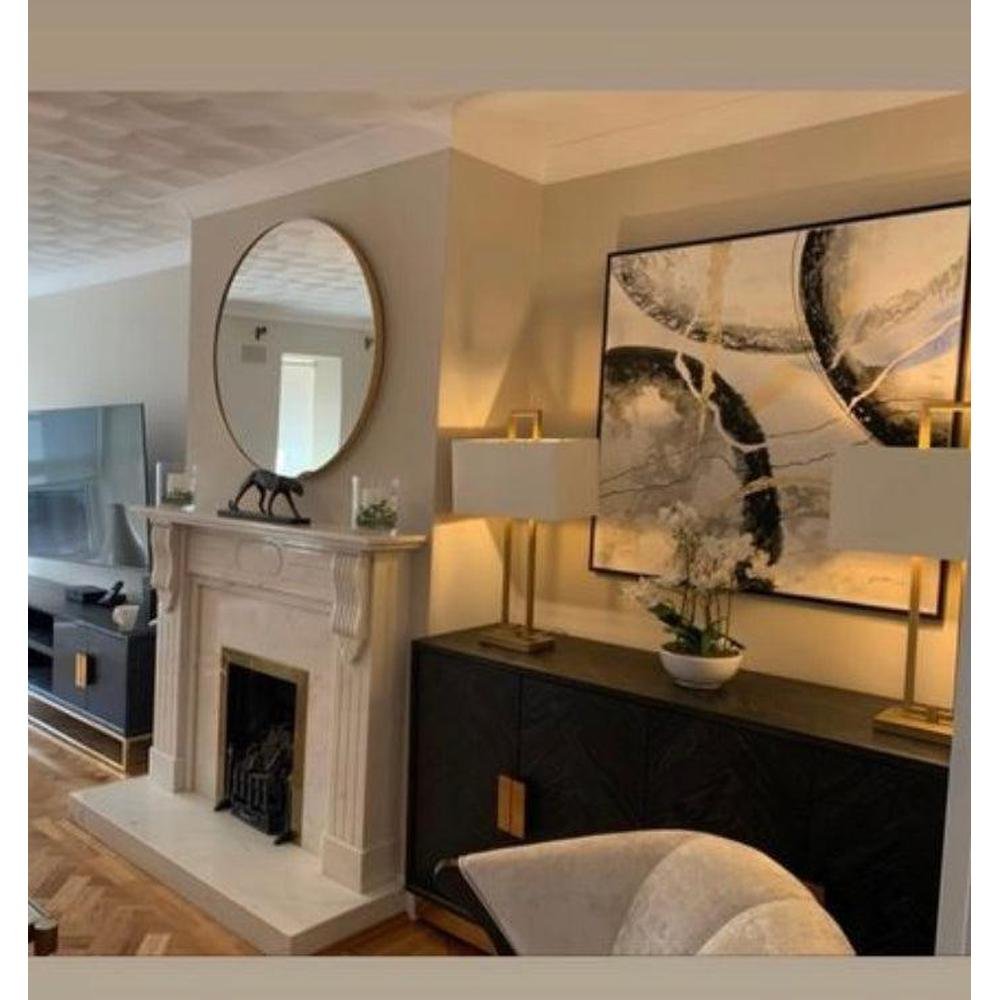
Custom work tends to make sense in a few situations:
- An alcove, sloped ceiling or unusual corner that no standard piece fits
- A room where every item needs to work with the rest of the scheme
- A family that needs durable, practical pieces for daily use
- A home where the look matters and you want something no one else has
Custom is not always the right choice. For a single, simple piece in a room that already works, a ready-made option may be enough. The value of custom furniture lies in fit and coordination, so it pays off most in a full home project.
Preparing for Your First Consultation
A good first meeting starts with preparation. Our sourcing guide for property developers explains how bespoke pieces move from design to delivery. Gather a few things before you arrive:
- Room dimensions, or a floor plan if you have one
- Photos or short videos of each space
- A list of how each room is used day to day
- Your budget range, even if it is approximate
Bring your measurements and any inspiration images you have saved. This gives the designer a clear starting point and keeps the first session focused on your needs.
It also helps to think about who uses each room and when. A living room used for quiet evenings needs different seating from one used for busy family gatherings.
Writing a Custom Furniture Design Brief Template That Works
A design brief is a short document that sets out what you want. A clear brief saves time and reduces misunderstandings later. Use this simple template:
- Project name: (for example, "Main bedroom refit")
- Room and dimensions: Width, depth, height and any fixed features
- Purpose: What the piece must do (store, seat, display, divide space)
- Style: Three words that describe the look you want
- Materials you like or dislike: Wood types, fabrics, metals
- Budget range: A rough figure in EUR
- Timeline: The date you need the piece in place
- Must-haves and deal-breakers: Two or three lines each
Keep the brief to one page. Share it before your first design session, then update it as your ideas change. A brief that stays current is the best guide for the designer and for you.
Bespoke Furniture Design Timeline: Stage by Stage
- Consultation and brief (1-2 weeks). You meet a designer, share your brief and agree the scope. This stage ends when you have a written summary of what is being designed and a clear budget range. Your decision point: confirm the brief and the budget before design work begins.
- Concept and sketches (2-4 weeks). The designer proposes layouts and rough drawings. You review options and give feedback. Your decision point: choose a direction so the designer can move to detailed drawings. Most delays here come from indecision between two strong options, so ask for a side-by-side comparison if you are torn.
- Measurement and technical drawings (1-2 weeks). Precise dimensions are taken on site and technical drawings are finalised. This stage depends on access to the room, so book a site visit early. Your decision point: check that every dimension and fixed feature is correct before drawings are issued for approval.
- Material and finish selection (1-2 weeks, can run alongside drawings). You choose woods, fabrics and hardware from samples. Seeing samples in your own lighting at different times of day prevents surprises. Your decision point: approve each material and finish in writing.
- Final approval (1 week). You sign off the final design and drawings before production starts. This is the last low-cost moment to make changes. Your decision point: sign the approval sheet only when you are satisfied with every detail.
- Production (6-12 weeks, depending on complexity and workshop queue). The piece is made in the workshop. Lead times depend on material availability and the number of pieces in the queue. Ask for a production start date and a completion estimate in writing.
- Delivery and installation (1-3 days). The finished piece is placed in your home and checked against the drawings. Your decision point: inspect the piece on arrival and note any issues before the installers leave.
Your decisions drive the timeline. Our production timelines article breaks down the factors that set how long each stage takes. Slow approval or late changes add time at the design stage. Choosing finishes early and confirming measurements carefully helps keep the project moving. Raise changes as early as you can, since changes after approval can delay a project. If you need a piece by a fixed date, work backwards from that date and agree the approval deadlines with your designer at the start.
Measurements, Fit and Materials: Choosing What Goes Into Your Piece
Accurate measurements prevent the most common problems. Measure twice, note the height of doorways and skirting, and check for radiators, sockets and windows that could affect placement. Consider how much space you need to open drawers and doors.
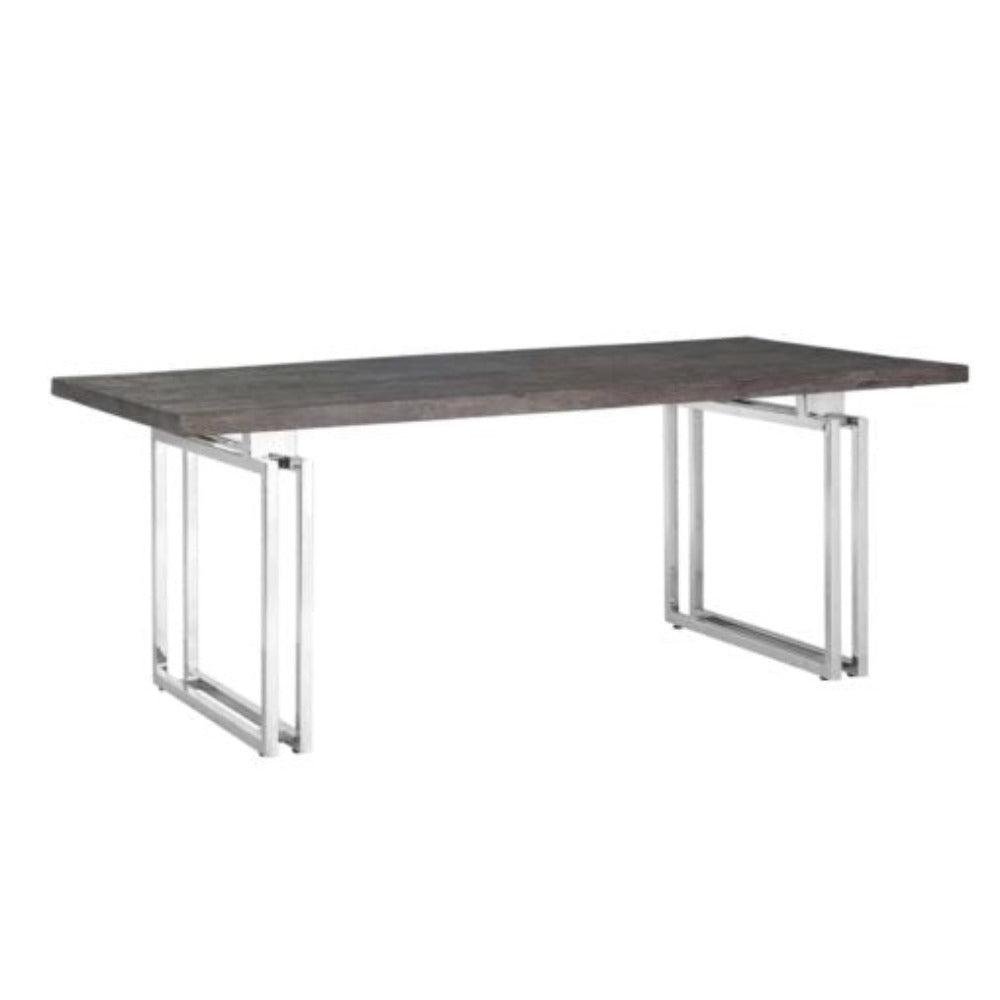
Materials shape both the look and how long the piece lasts. Ask your designer to show you samples in your own lighting, since colours can shift between showroom and home.
Custom Furniture Materials and Finishes
Finishes protect the surface and set the mood of the piece. Hardware such as handles and hinges should match the finish of other fittings in the room.
Costs, Design Revisions and What Changes Mean for Your Budget
A clear breakdown helps you see where the money goes and compare quotes fairly.
A worked example for a fitted alcove unit shows how the parts add up. Design work is covered by our design consultation fee of €1,000.00, which covers the design work described in the consultation package. You can review the design consultation fee and what it covers before you commit. Materials for a mid-range unit might include sheet timber, solid timber edging, hardware and a painted finish. Labour covers workshop hours and installation. Finishing covers paint or oil and any specialist work. Delivery and installation cover transport and fitting. Ask for each of these as a separate line so you can see what changes when you alter a specification.
Changes after production starts can add cost and delay, so confirm the design before moving forward. Ask for any revision to be noted in writing with its cost before you approve it. A change order is simply a written record of what changed, what it costs and how it affects the timeline. Keep every change order with your original quote so the final invoice is easy to check.
Watch out: changing a finish or dimension after approval can push back the delivery date, so raise changes as early as you can.
Booking Your Design Consultation at Renaissance Design Studio
If you are planning a project, the next step is a conversation. Our in-house designers can talk through your brief, show you options in the showroom, and explain the timeline and costs for your home. Arrange a visit to start the process. If you are unsure how to pick a designer beforehand, this step-by-step guide to choosing an interior designer in Dublin walks you through the choice.
Frequently Asked Questions
What are the steps in the custom furniture design process?
The custom furniture design process usually moves through a consultation, a design brief, concept development with sketches or visuals, a quote once the brief is approved, material and finish selection, production, and delivery or installation. At Renaissance Design Studio, the process starts with a showroom or in-home consultation, where a designer gathers your requirements room by room. Mood boards follow, showing the look and the space you have to work with. Once you approve the design, the piece moves into making and fitting.
What should I include in a bespoke furniture brief?
A useful bespoke furniture brief covers the room dimensions, existing layout, how the space is used day to day, the style you are aiming for, and your budget range. Bring floor plans or measurements if you have them, plus photos or videos of the space. Note any household needs, such as storage, accessibility or the number of people using the room. The more specific the brief, the fewer revisions you are likely to need. A designer will refine this with you during the first consultation.
How long does it take to design and make bespoke furniture?
Timelines depend on the complexity of the piece, the materials chosen and how quickly decisions are made at each stage. Consultation and concept work typically come first, followed by a quote, approval, production and fitting. Each client decision point, such as approving the mood board or signing off on fabric, adds to the overall schedule, so decisiveness at those points keeps the project moving. Renaissance Design Studio can give you a more specific timeline once your brief has been reviewed.


