
Article: How to Furnish a Home Room by Room, Step by Step
How to Furnish a Home Room by Room, Step by Step
Last Updated: November 24, 2026
Quick Summary
Furnish a home room by room by planning first, then ranking rooms by how often you use them and setting a budget for each. Buy essentials before decorative pieces, and measure every room and delivery route before ordering anything.
- Start with the rooms you use most, such as the living room or bedroom.
- Set a separate budget for each room rather than one figure for the whole house.
- Buy essentials first, then storage and lighting, and decorative pieces last.
- Keep at least 75cm of clear walkway between furniture so people can pass easily.
- Measure the front door, hallway and stairs before buying large pieces.
Table of Contents
- Plan the Project Before You Buy Anything
- Room-by-Room Furniture Checklist
- Furniture Layout Ideas for Every Room
- How to Create a Cohesive Home Style
- Home Furnishing Timeline: Sequencing Purchases Over Time
- Booking Your Free Design Session at Renaissance Design Studio
- Frequently Asked Questions
Plan the Project Before You Buy Anything
Turning a house into a home starts with a plan, not a shopping trip. For a fuller walkthrough of building a cohesive interior for an Irish home, read how to create a cohesive home interior design in Ireland.
Before you touch a sofa catalogue, get clear on three things: what you need, what you can spend and what you want the home to feel like. Writing these down keeps the project on track.
Setting Priorities and Budget
Start by ranking your rooms, working through them room by room. Which one do you use most? Which one feels wrong right now?
Next, set a budget for each room rather than one figure for the whole house.
If you want professional guidance on your budget, our book a design consultation gives you a clear picture of what a planned project costs.
Assessing How Each Room Is Used
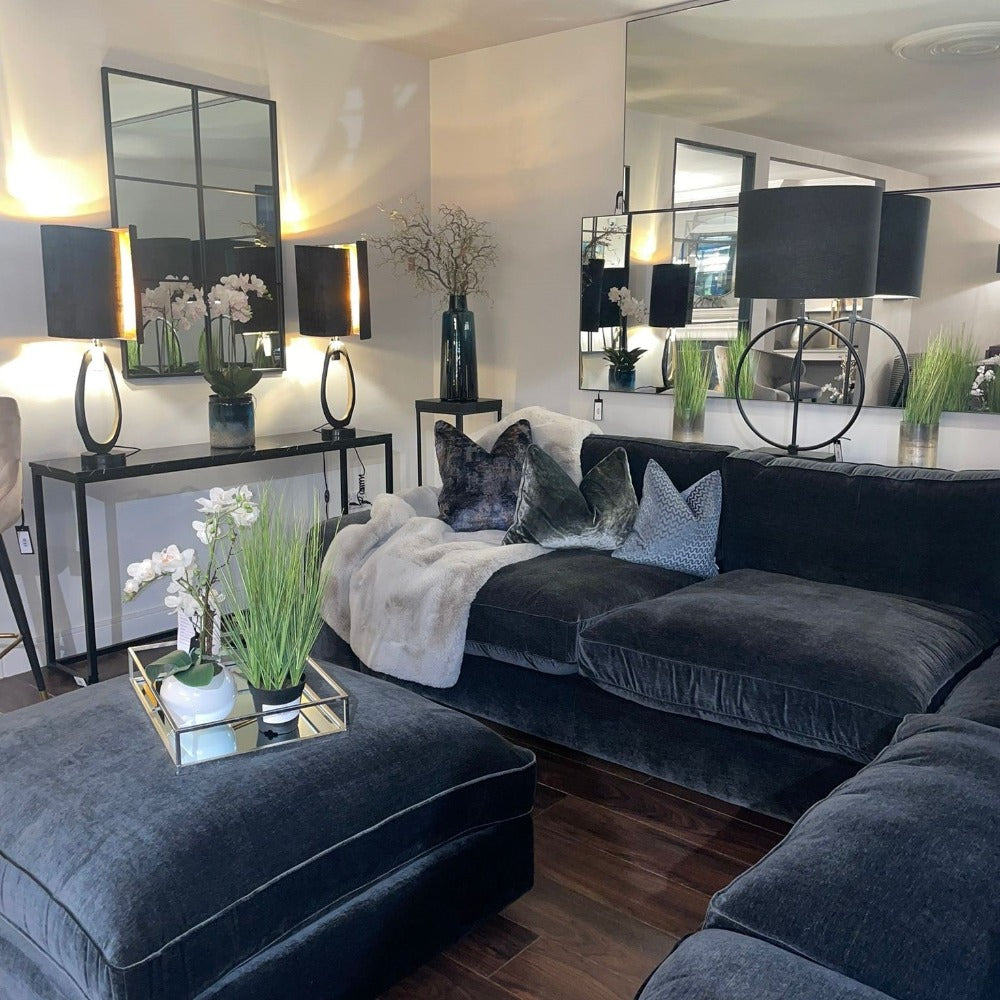
A living room for a busy family works differently from a quiet reading room. Ask yourself:
- Who uses this room, and when?
- Do you eat, work or relax here?
- Do children or pets need space to move?
Your answers shape the furniture you choose. A room used for work needs a proper desk and good light. A family room needs durable fabrics and plenty of seating.
Room-by-Room Furniture Checklist
Work through each room with this list. Tick off what you already own and note what is missing. For each room, the items are grouped into essentials (buy first), optional pieces (buy when the budget allows) and later purchases (add once the room is in use).
-
Living room:
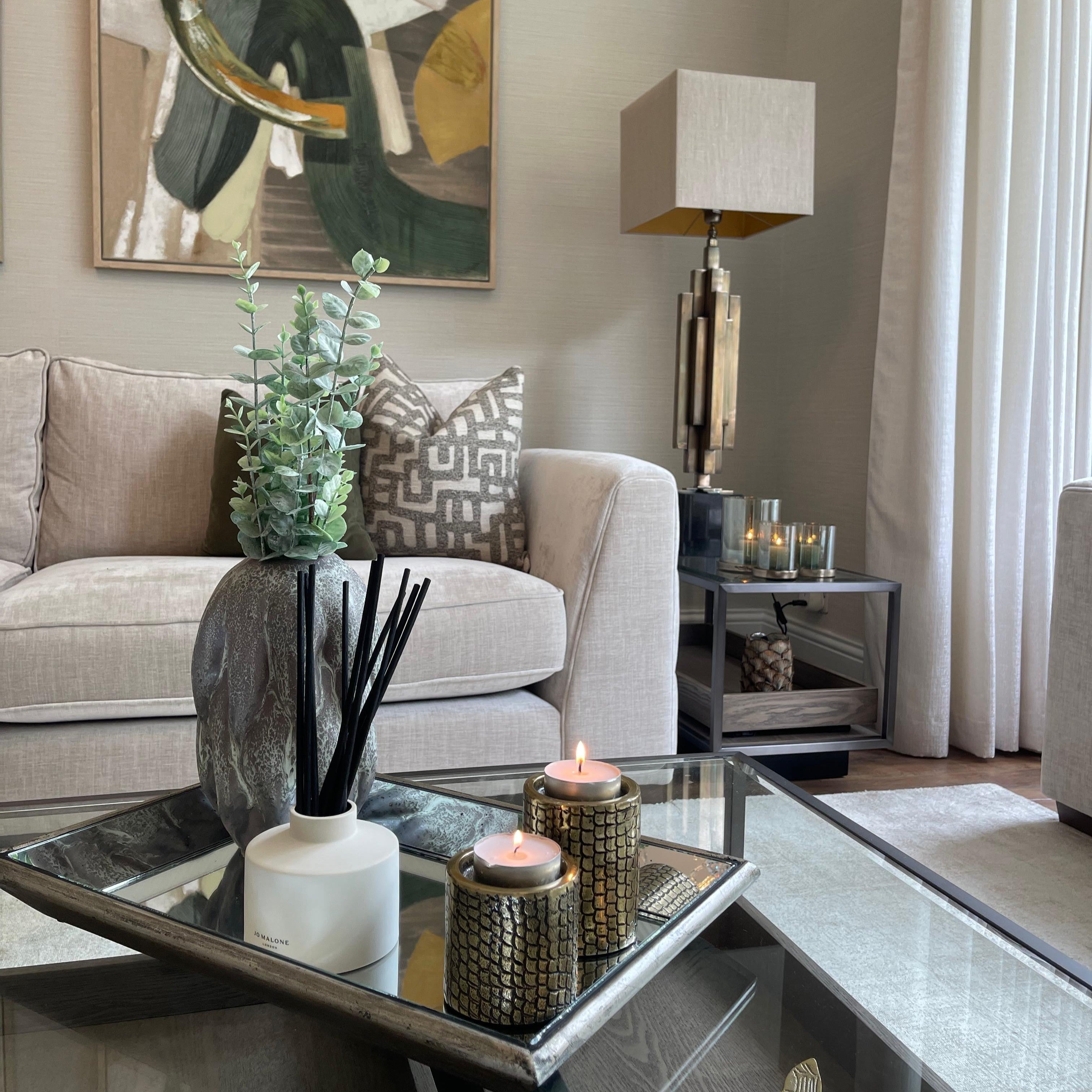
- Essentials: sofa, armchair, coffee table, side tables, TV unit, lamps
- Optional: rug, curtains, bookshelf, footstool
- Later: artwork, cushions, throws, plants
-
Dining room:
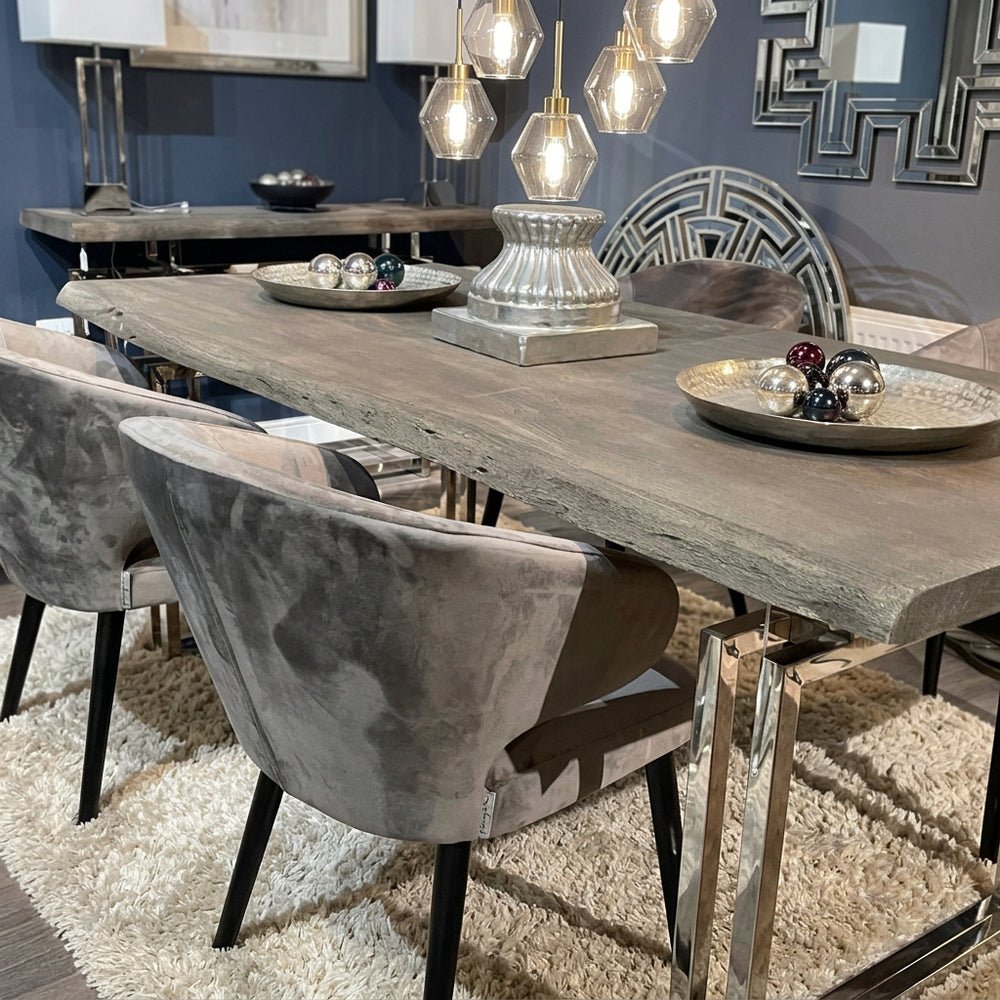
- Essentials: dining table, chairs, sideboard for storage
- Optional: rug, pendant light, table linen
- Later: centrepiece, wall art, extra seating
-
Bedroom:
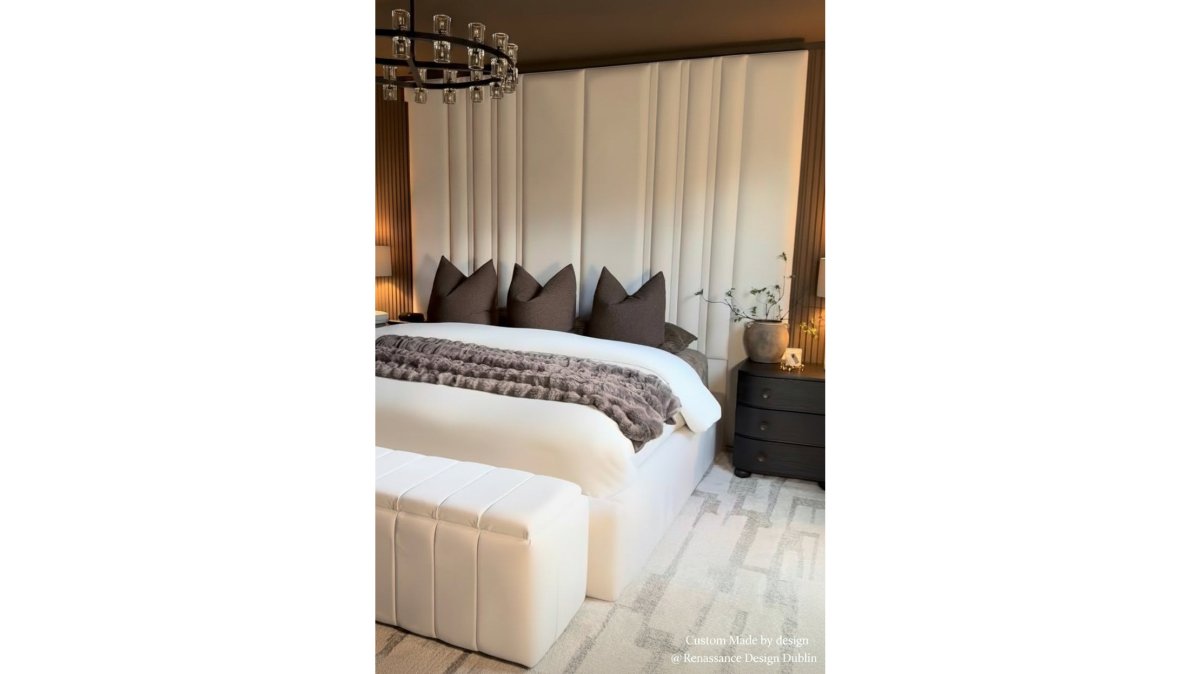
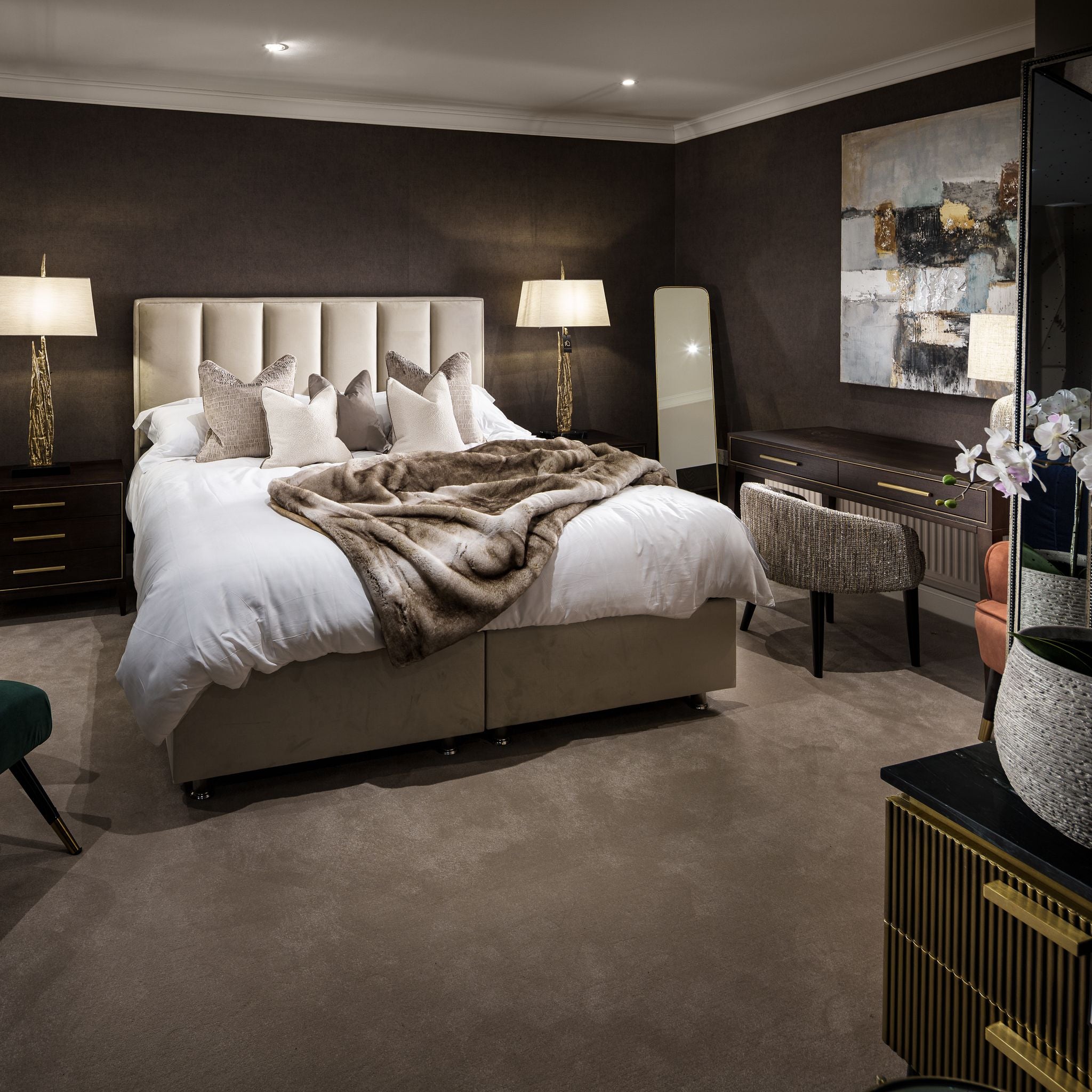
- Essentials: bed, bedside tables, wardrobe, lighting
- Optional: chest of drawers, dressing table, rug
- Later: curtains, mirrors, soft furnishings
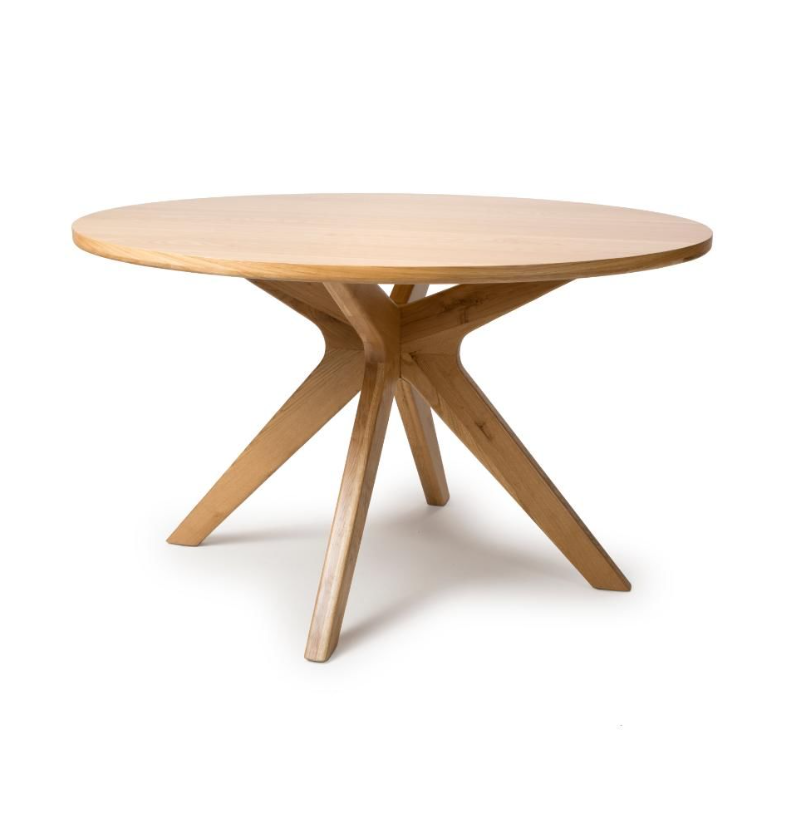
Start with the essentials, such as a bed or a sofa, before adding decorative pieces. Good dining furniture is a solid choice for the room, and our Henry Dining Collection includes a round table in light oak.
Budget Ranges and Purchase Sequencing
A room budget is more useful than a whole-house figure because it stops the first big purchase from swallowing everything else.
Sequence your purchases in three waves. Wave one covers the essentials for the rooms you use most, so you can live in them while you save for the rest. Wave two adds storage and lighting, which make the biggest difference to how a room functions. Wave three is decorative pieces, which are the easiest to delay and the most tempting to buy too early.
Buying decorative pieces before essentials is a common budgeting mistake, because it leaves no money for the pieces that actually make a room usable.
The checklist sorts each room's furniture into three stages, so you can see at a glance what to buy first.
| Room | Essentials (buy first) | Optional | Later |
|---|---|---|---|
| Living room | Sofa, armchair, coffee table, side tables, TV unit, lamps | Rug, curtains, bookshelf, footstool | Artwork, cushions, throws, plants |
| Dining room | Dining table, chairs, sideboard for storage | Rug, pendant light, table linen | Centrepiece, wall art, extra seating |
| Bedroom | Bed, bedside tables, wardrobe, lighting | Chest of drawers, dressing table, rug | Curtains, mirrors, soft furnishings |
| Home office | Desk, supportive chair, shelving, task lighting | Filing cabinet, cable management, footrest | Plants, artwork, acoustic panels |
| Hallway | Console table, mirror, shoe storage | Coat hooks, bench, runner rug | Lamp, artwork, umbrella stand |
Furniture Layout Ideas for Every Room
Layout decides how a room feels. Good layouts create clear pathways and leave enough space to move around comfortably. The aim is a room that works for daily life, not just one that looks good in a photograph.
A common approach in living rooms is to group the sofa and armchairs around a central coffee table. Keep at least 75cm of clear walkway between furniture so people can pass without squeezing.
Keeping Clear Pathways and Balanced Proportions
Keep walkways open from the door to the main seating area. Avoid placing a large piece directly in the line of travel. Scale matters too: a small sofa in a large room looks lost, and an oversized table in a small room feels crowded. Match furniture size to the room.
Measuring Rooms and Checking Access for Delivery
Measure every room before you buy. Note the length, width and ceiling height, plus the position of doors, windows and radiators.
Measure the front door, hallway and stairs, and check whether the delivery route has tight corners, low ceilings or narrow gates.
Before you order, see our guide on avoiding interior design mistakes. It covers the sizing and layout errors we see most often.
Making Small Rooms Feel Larger
Small rooms benefit from furniture that sits low and leaves floor visible. Choose a sofa with legs rather than a solid base, use a mirror to bounce light, and keep the colour palette light and consistent. Multifunctional pieces, such as a storage footstool or a dining table that extends, let one piece do two jobs. Avoid heavy curtains and dark rugs, which shrink a room visually.
Accessibility and Changing Household Needs
If anyone in the household has mobility needs, plan for step-free movement and wider clearances. Allow at least 90cm between furniture for a wheelchair or walking frame, and choose chairs with arms that help with sitting and standing. Child-safe choices matter too: anchor tall bookcases to the wall, round off sharp corners where you can, and keep low storage for toys within easy reach.
How to Create a Cohesive Home Style
A cohesive home looks like it belongs together, even when the pieces came from different places. The secret is repeating a few elements across rooms.
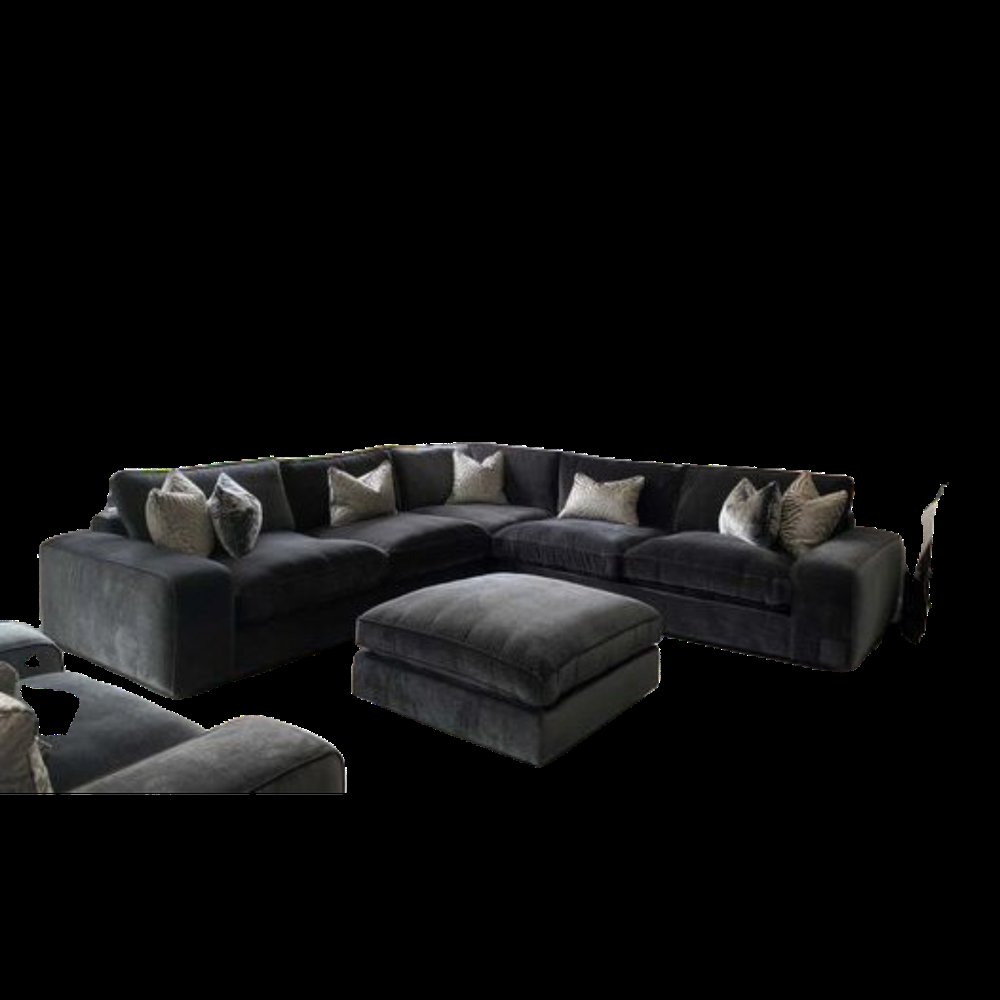
Pick two or three materials, such as light oak and soft linen, and use them throughout the house. This creates flow from one room to the next.
Choosing a Colour Palette and Setting the Mood
Choose a core palette of three to four colours. Use one as the main wall colour, one for larger furniture and one or two as accents.
Consider the mood each room should create. Calm bedrooms often use soft, muted tones, while a dining room can take bolder colours for warmth and energy.
Home Furnishing Timeline: Sequencing Purchases Over Time
You do not need to furnish everything at once. Buying in stages spreads the cost and lets you live in each room before deciding the next purchase.
A simple order works well:
- Essential furniture first: bed, sofa, dining table
- Storage and lighting next
- Rugs, curtains and decorative pieces last
Furnishing in stages also helps you spot what you really need.
Booking Your Free Design Session at Renaissance Design Studio
We are an intergenerational, family-run studio, and we want every client to get the best value and the right fit for their home.
Before you book, it helps to prepare. Our guide on preparing for an interior design consultation shows what to bring and what to think about first.
When you are ready, book your free design session with us. We will help you turn your house into a home that works and cheers.
Frequently Asked Questions
Where should I start when furnishing a home?
Start with a plan rather than a shopping list. Decide which rooms matter most to your daily life, measure each one, and note how it will be used. Set a realistic budget for each room and agree priorities with everyone who lives there. Once you know the function and dimensions of each space, you can choose essential furniture first, such as a bed, sofa and dining table, and add decorative pieces later. Renaissance Design Studio's free in-house design sessions can help you turn that plan into a workable brief before you commit to any purchase.
What furniture should I buy first for a new home?
Buy the essentials that anchor each room before decorative items. In the living room, that usually means a sofa and a coffee table sized to the room. In the bedroom, the bed and bedside storage come first. In the dining room, the table and seating matter most. Choosing pieces that work together from the start avoids costly mistakes later. Renaissance Design Studio's Henry Dining Collection, including its round 1300mm table, is an example of a piece that can anchor a dining room and be matched with chairs and a sideboard.
How do I measure a room before buying furniture?
Measure the length and width of the room, the position of doors, windows and radiators, and the height of ceilings. Note any alcoves, sloping walls and the route furniture must take to reach the room. Sketch a simple floor plan and mark where you want key pieces to sit. Keep at least a clear walkway between furniture groupings so the room remains comfortable to move through. Bring these dimensions, plus photos or a short video of the space, to your design consultation so the advice fits your home.
How long does it take to furnish a whole home?
There is no fixed timeframe, because it depends on the size of the property, how much is being bought new, and whether the work is done in stages. Many people furnish in phases, starting with the rooms used every day and adding the rest over several months. Planning the sequence in advance, measuring carefully and confirming delivery access all help keep the process on track. A structured plan with a clear order of purchases usually makes the timeline easier to predict.